The tsunami of regulations and the rise in the price of affordable cars
The European automotive industry is at a crucial turning point, and the alarm signals are coming directly from the brand's management in Mioveni. Katrin Adt, CEO of Dacia, draws attention to the major risks generated by excessive regulation of the European market, a determining factor in the accelerated increase in vehicle prices in recent years.
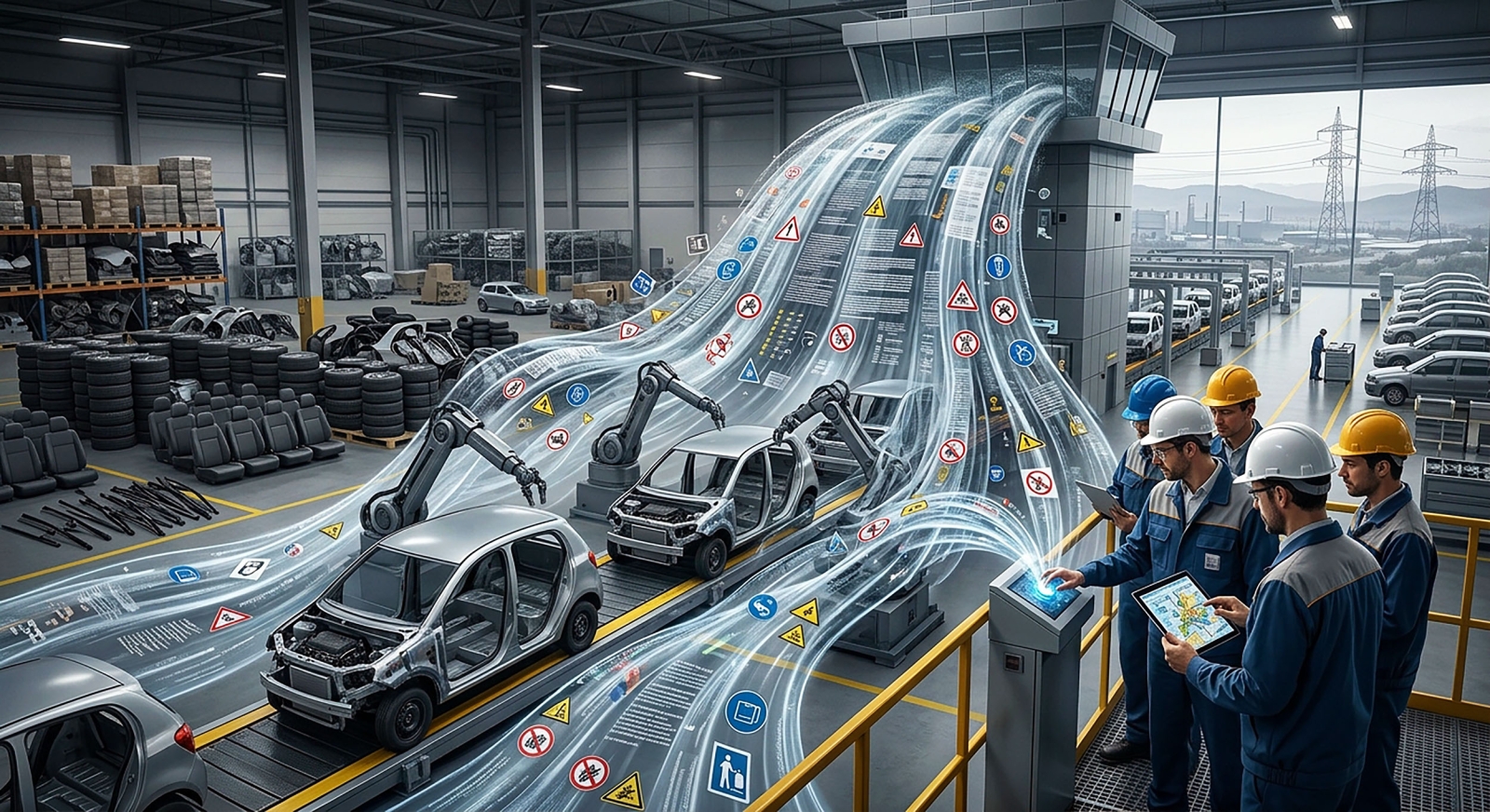
According to Dacia management's analysis, the European market has lost over 3 million vehicles compared to 2019 levels, without production and sales volumes returning to pre-COVID-19 levels. Such a deficit translates not only into lost sales, but into the equivalent of 10 car factories, 12 million tires, 15 million seats and 9 million wiper blades that were no longer produced or sold.
The main cause of this economic contraction lies in the huge number of rules imposed in a short time. Dacia has already fulfilled around 100 technical and safety regulations, but manufacturers must cope with another 107 additional requirements by the end of this decade. In this context, Dacia and Renault officials have asked the European Commission for a freeze on the rules for small cars or even a 10-year moratorium, essential measures to protect affordable mobility and to allow engineers to focus on electrification and cost reduction.
Dacia sales evolution: Chinese competition and energy costs in Mioveni
While facing strict bureaucratic rigors, Dacia is also navigating an increasingly hostile commercial landscape. Its business model based on an unbeatable price-quality ratio is subject to two major pressures: the offensive of Chinese brands and rising operating costs.
On the one hand, the massive entry of Chinese-made vehicles into the European market is putting direct pressure on sales of compact and budget electric cars. Chinese manufacturers, beneficiaries of low production costs and an integrated supply chain, are managing to capture a significant market share, affecting segments where Dacia traditionally dominated.
On the other hand, the Mioveni plant is facing rising electricity and natural gas prices, factors that directly increase the cost per assembled vehicle. Although energy represents a small share of the total cost of a car, the lack of long-term predictability in tariffs and fluctuations in the energy sector make long-term planning difficult.
Despite these combined challenges — from rigid regulations and aggressive Asian competition to high production costs — Dacia is adjusting its strategy, focusing on optimizing existing models, adapting assembly, and defending the philosophy of affordable mobility that European customers need more than ever.