The Rabla program returns with an increased budget, but excludes cars produced in China. A hard blow for Dacia Spring
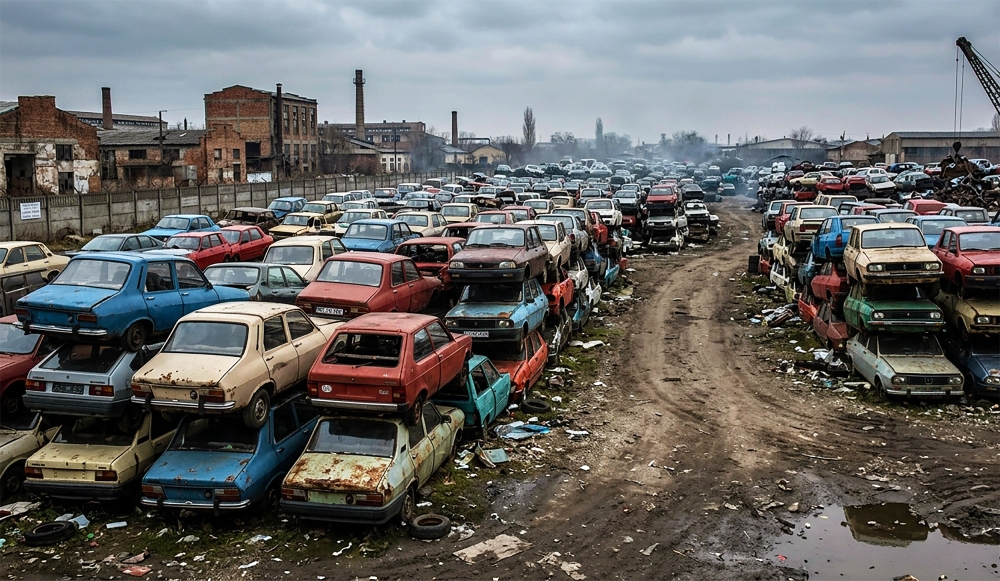
After a long period of uncertainty that kept both car dealers and Romanian drivers in check, the Administration of the Environmental Fund (AFM) has brought long-awaited clarifications. The Rubbish Program is officially making its return, coming with a massive infusion of capital, but also with a radical transformation of the rules of the game, strongly influenced by the new geopolitical and economic lines at the European level.
A financial boost of 300 million lei for the automotive sector
In an effort to maintain a predictable funding flow and stimulate the replacement of the aging car fleet, the authorities have decided to supplement the funds. Environment Minister Diana Buzoianu announced that the program's budget for this year will be increased by 100 million lei compared to the amount initially set.
Thus, Rabla will reach a total threshold of 300 million lei, an amount that will also include other related environmental programs. Beyond the direct support provided to buyers, this decision is intended to provide stability to a domestic market that needed predictability after a period of stagnation in government incentives.
"Made in Europe": The strategy that leaves Dacia Spring without subsidy
The most spectacular twist in the Financing Guide concerns the geographical origin of the cars purchased. The new program implements a strict list of conditions, aligned with recent European Commission directives. This year, the Romanian state will focus exclusively on cars produced and assembled in Europe.
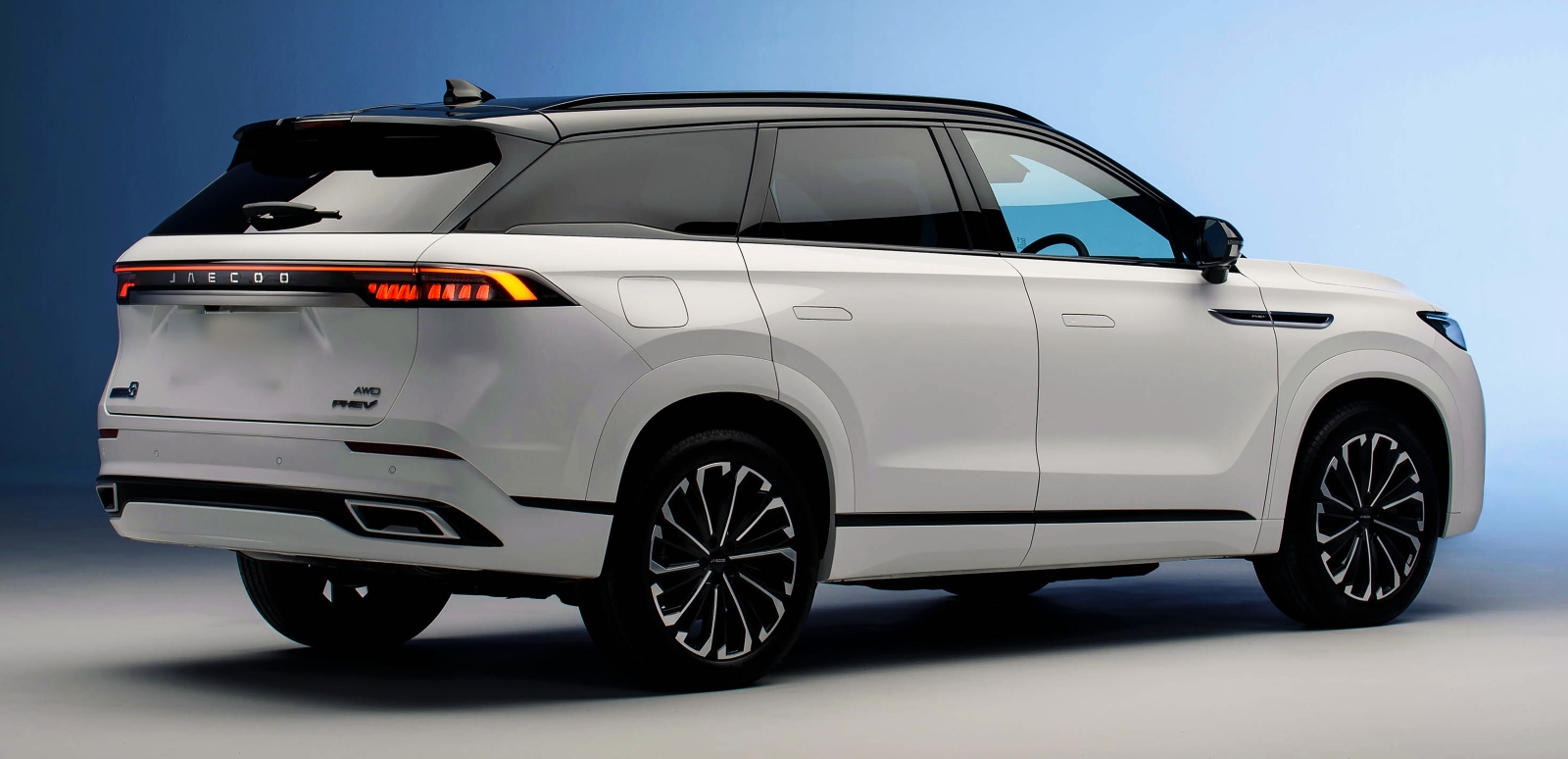
The golden rule of the new program: Subsidies will only be available for vehicles manufactured in the European Union and other European countries. Cars manufactured in China are definitively excluded from funding.
This economic decision has a direct and extremely painful impact for many Romanians: Dacia Spring, the best-selling electric model on the local market, will no longer benefit from the Rabla incentive. Although it bears the seal of the national brand, the mini-class model is entirely assembled in China, thus being automatically disqualified from the new European economic protectionism criteria.
Border exceptions: Morocco and Turkey remain on the books
In order not to completely block affordable options for buyers, the regulations still leave a door open for vehicles produced in close proximity to the European Union. Thus, cars assembled in Morocco and Turkey will be accepted into the program.
This exception represents a real breath of fresh air for the local group's partner plants. Dacia already produces a significant part of its current range in its facilities in Morocco, and the future Striker model is to be assembled in Turkey. Therefore, the brand's loyal customers will continue to have alternatives eligible for subsidies.
Summary of changes to the Rabla Program
| Key Indicator | Program Regulation | Market Impact |
| Total Budget | 300 million RON (supplemented by 100 million RON) | Stimulates new car purchases and clears out the old vehicle fleet. |
| Eligible Origin | European Union, rest of Europe, Morocco, Turkey | Favors regional production and strategic partnerships. |
| Excluded Origin | China | Removes highly popular models from the government subsidy scheme. |
| Dacia Situation | Spring (Excluded) / Future Striker model (Eligible) | Radically changes the sales structure of the national car brand. |
The new edition of the Rabla program clearly demonstrates that ecology no longer goes alone, but hand in hand with protecting continental economic interests. It remains to be seen how the Romanian market will absorb this shock wave and whether major European manufacturers will manage to offer alternatives as affordable as models assembled in Asia.