Back to basics: The future BMW 1 Series (2028) returns to rear-wheel drive in an electric version and promises a digital revolution
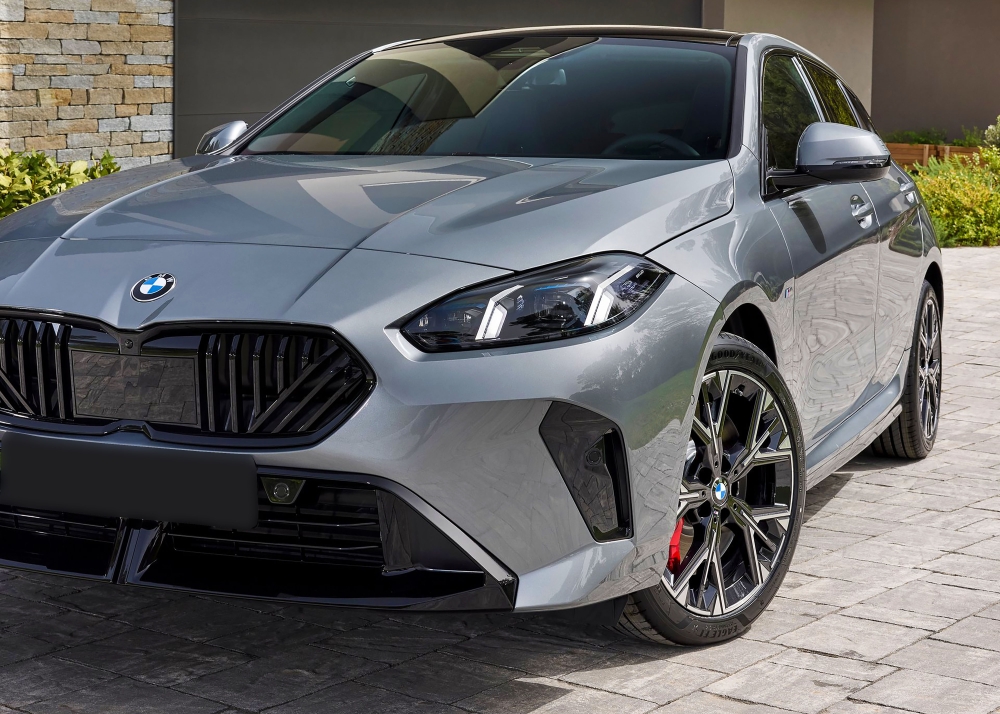
The Bavarians are preparing a radical paradigm shift for the most affordable model in the range. Scheduled to make its debut in 2028, the fourth-generation BMW 1 Series promises to reconcile both purist fans of the brand and the young, tech-oriented audience.
The big news? For the first time in history, the compact hatchback will receive a fully electric version and, with it, it will make a big bow to the past: it will return to the rear-wheel drive configuration.
Electric and dynamic: Back to basics on the Neue Klasse platform
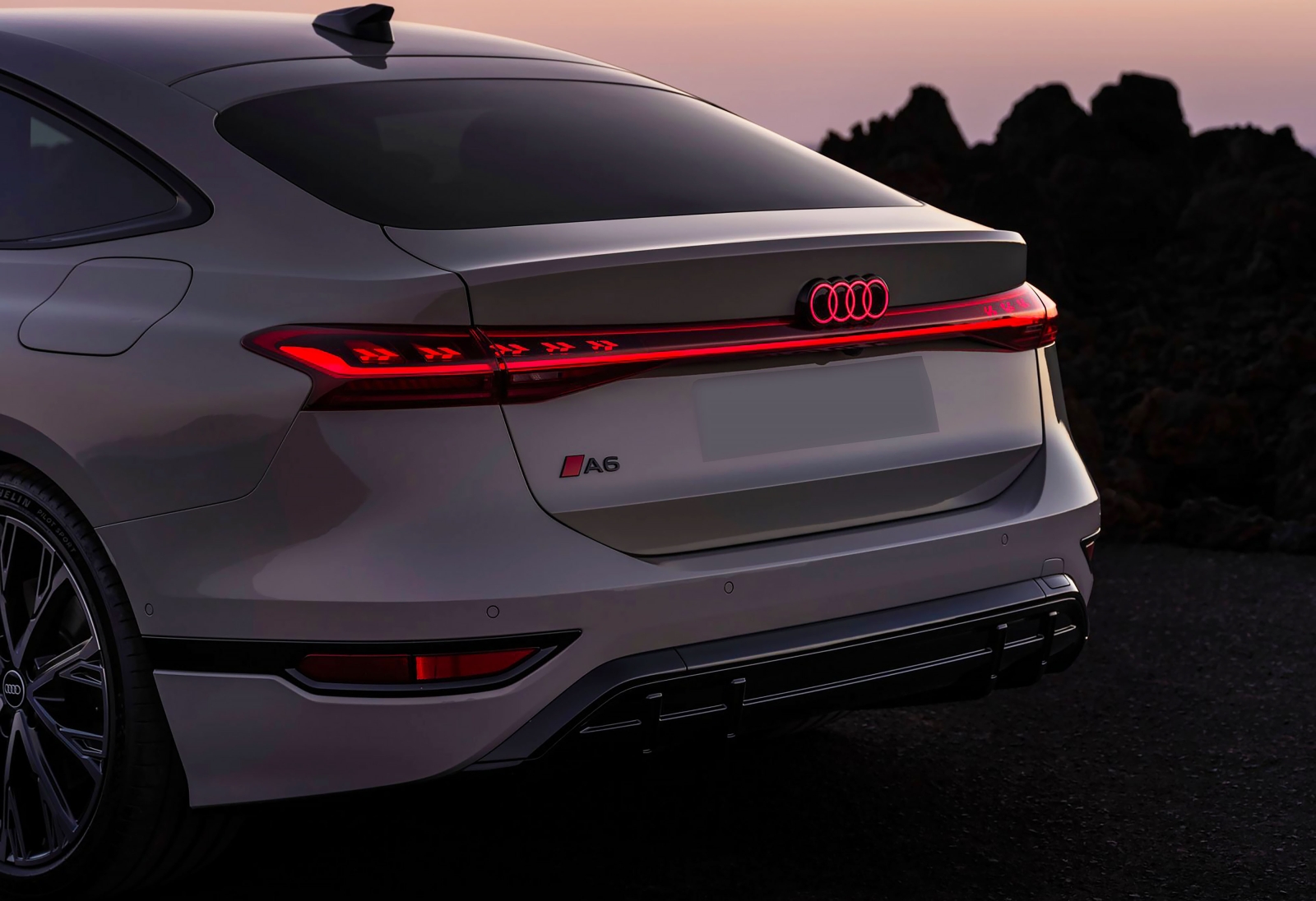
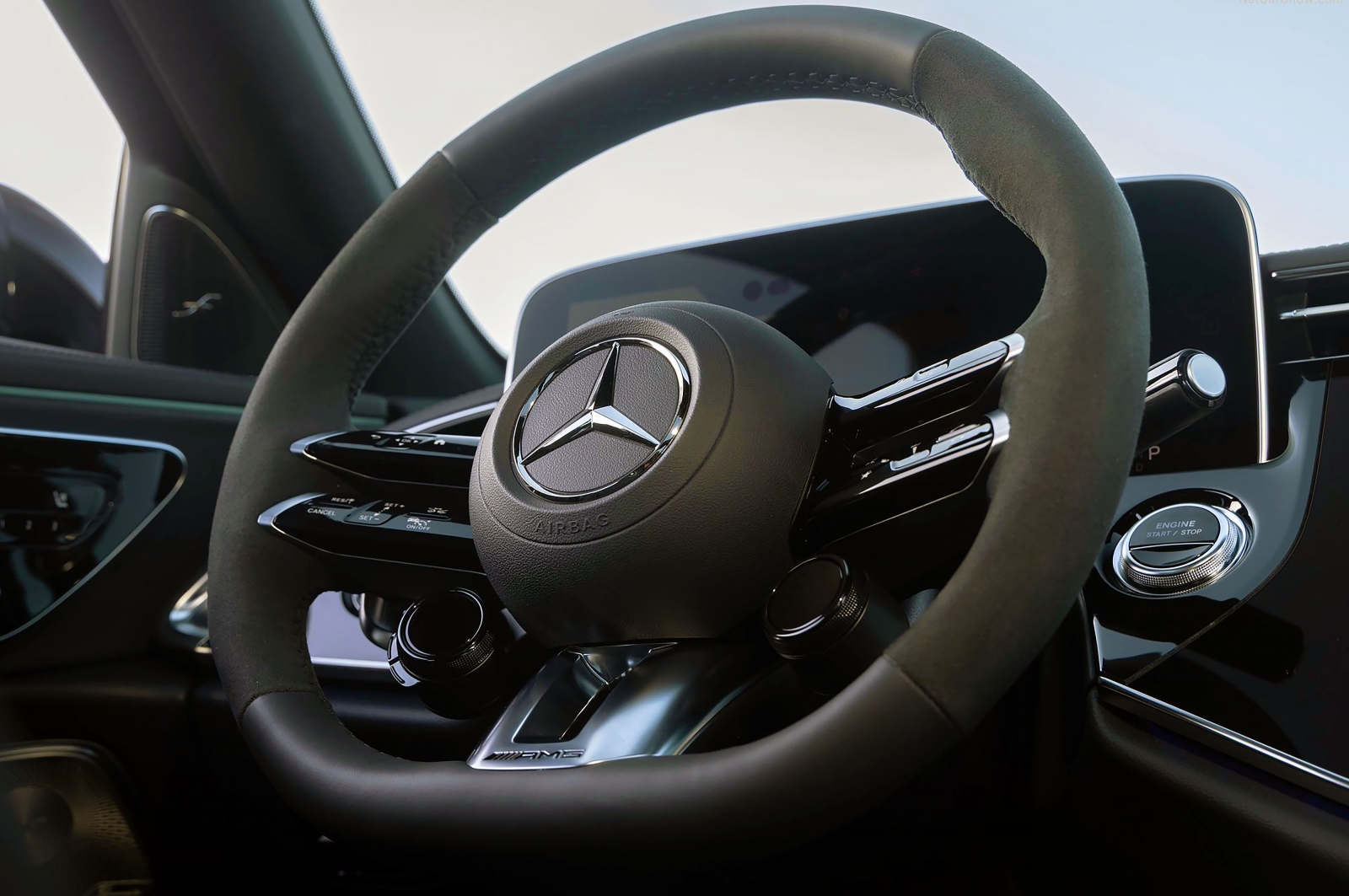
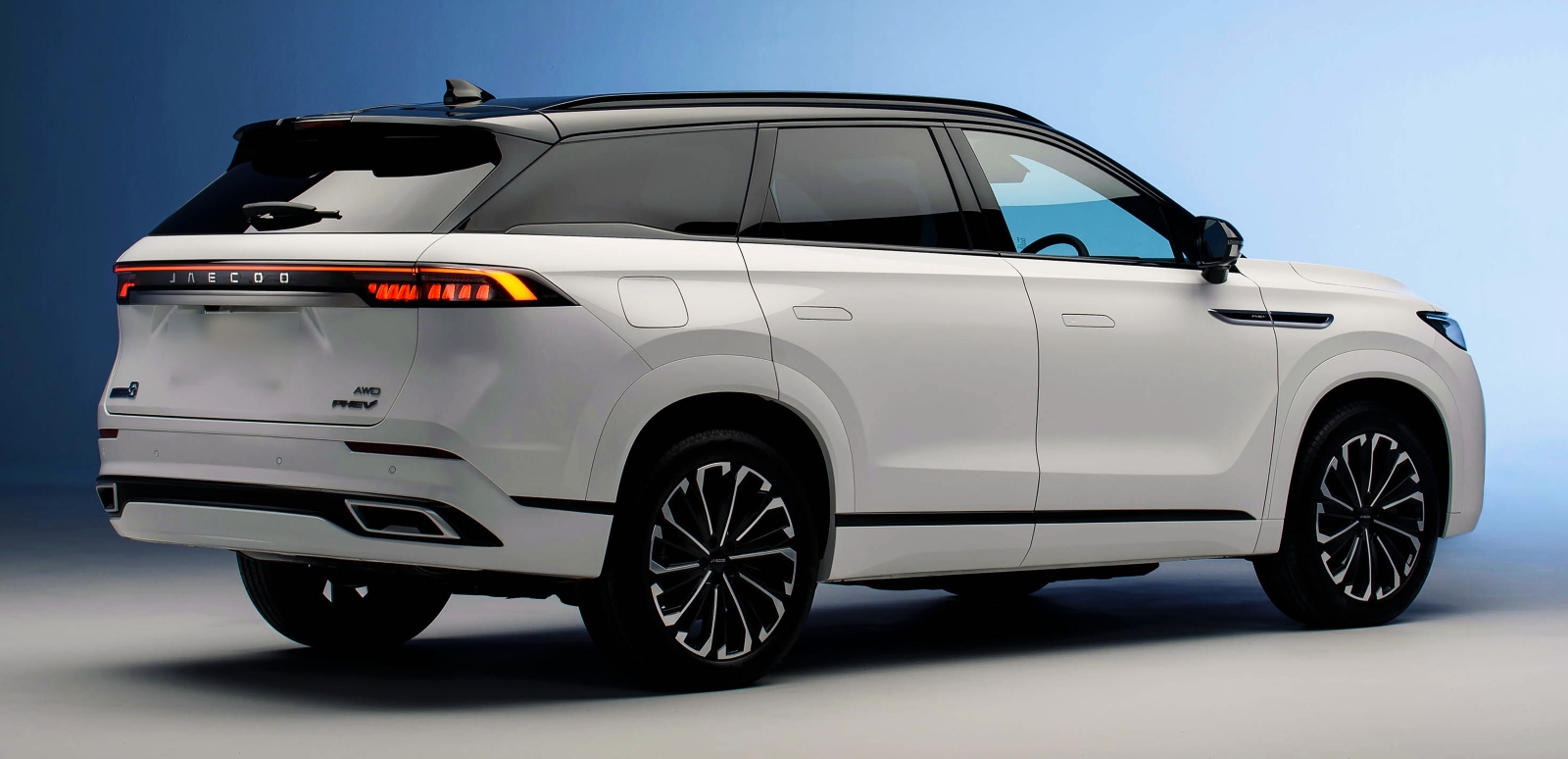
While direct competitors such as the Mercedes-Benz A-Class or the upcoming Audi A2 e-tron seem oriented towards silhouettes with a touch of compact MPV, BMW decides to maintain the proportions of a classic, sporty and aggressive hatchback.
The electric version (which will most likely be called the BMW i1) will be developed on the Gen6 (Neue Klasse) architecture. Unlike the current generation, which uses a front-wheel drive platform, the new electric structure is designed natively with the drive axle at the rear.
- Estimated power: A single rear-mounted electric motor will deliver 322 horsepower in the base version.
- Dynamics: This configuration promises to bring back the agility and unadulterated steering feedback that made the first two generations of the 1 Series famous.
- Price and range: To remain a volume model aimed at young people, BMW will use a more compact battery (reducing costs), but the fast-charging technology and efficiency of the Neue Klasse will ensure a highly competitive range. A future M performance variant with two motors and all-wheel drive (around 463 hp) is also not ruled out.
Neue Klasse flexibility: Is the 3-door hatchback making a comeback?
Beyond the dynamics, the new electric platform offers a design freedom that seemed lost in the modern automotive industry. Since 2020, the 1 Series has been sold exclusively in 5-door configuration, for cost optimization reasons. However, the Gen6 architecture could bring back the sporty 3-door variant.
The brand's head of development, Joachim Post, confirmed this possibility:
"For a different size or proportion, you realize it's not the big problem of the past. With the platform you can make a two-door car or a three-door car – that's not a problem for an electric car."
Thermal and hybrid versions: The pragmatic recipe on the UKL2 platform
BMW is not abandoning traditional customers and will keep internal combustion engines in parallel. However, gasoline and hybrid cars will be built on a completely different architecture from the electric one, continuing to use developments of the UKL2 platform.
These versions will retain front-wheel drive and an exclusively 5-door body:
- Classic engines: The 1.5-liter (3-cylinder) and 2.0-liter (4-cylinder) gasoline engines will be optimized for strict emissions standards.
- Plug-in Hybrid Alternative: The big news for the thermal range will be the introduction of a plug-in hybrid system (PHEV), most likely taken from its bigger brother, the 3 Series. It will use a battery of under 20 kWh, capable of offering a purely electric range of approximately 90-100 km in urban environments.
A SF cabin: Top technology from the 7 Series facelift
The interior of the future 1 Series will undergo complete digitalization, eliminating the classic dashboard clocks in favor of the minimalist concept tested on the new iX3 and i3.
The dashboard will be dominated by the Panoramic iDrive system. Essential information will be projected onto an ultra-thin, strip-like screen that stretches from the base of the windshield across the entire width of the car (over 40 inches long). Multimedia functions will be controlled via a 17.9-inch slanted central screen, oriented towards the driver.
Moreover, regardless of the type of engine chosen (thermal or electric), BMW will equip the car with new ADAS assistance systems and new "superbrain" central computing units, capable of processing advanced artificial intelligence functions.
The 2028 generation promises to be a turning point: a compact that refuses to become a boring crossover and uses electrification not just for zero emissions, but to bring the pure pleasure of driving back to the roads.