Stellantis and Leapmotor: A new era of efficiency? The European giant and the Chinese partner explore the development of joint platforms
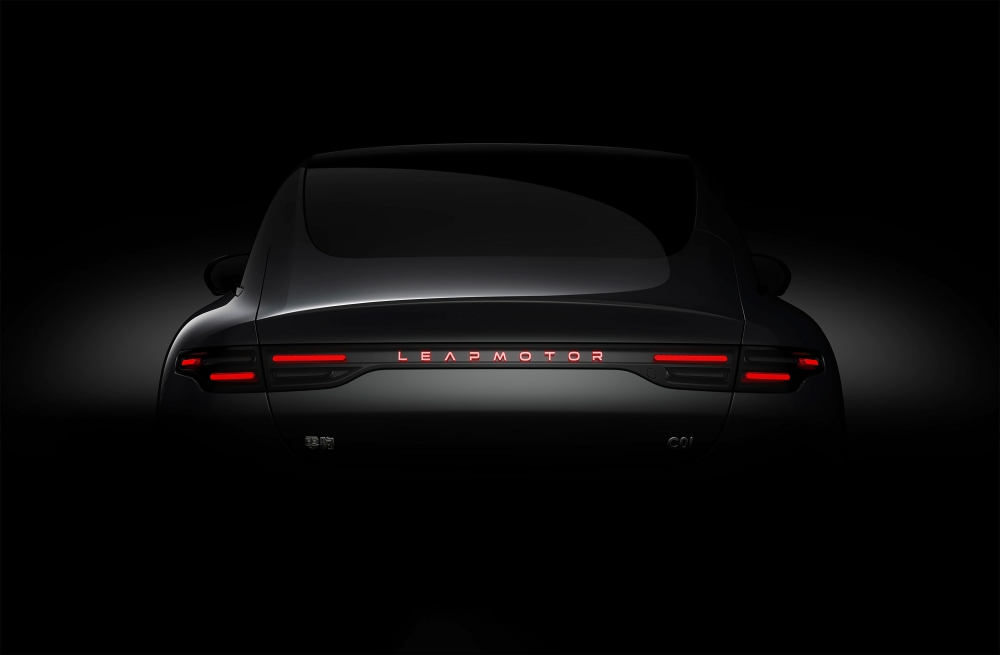
BEIJING, April 2026 – In a strategic move aimed at redefining the dynamics of the electric vehicle (EV) market, multinational group Stellantis and its Chinese partner, Leapmotor, have confirmed that they are in advanced discussions to develop joint technical platforms. This collaboration, which transcends simple distribution, aims to drastically reduce production costs and accelerate the launch of new models in an increasingly competitive global market.
"Win-Win" Synergy: Chinese Innovation and European Infrastructure
The partnership, consolidated through the joint venture Leapmotor International (51% controlled by Stellantis), is no longer just an export experiment. At the 2026 Beijing Auto Show, officials from the two companies emphasized that the future depends on vertical integration and sharing of technical resources.
Tianshu Xin, CEO of Leapmotor International, described this collaboration as a fusion of skills:
"One of the beauties of this partnership is leveraging the best of both sides. Leapmotor provides a highly innovative product at a competitive cost, while Stellantis provides the global infrastructure, from dealer network and IT systems to parts distribution."
Although the two companies currently operate on independent platforms, Xin confirmed that the development of a common architecture is “under exploration,” highlighting that approximately 65% ??of Leapmotor components are produced in-house, which gives Stellantis a huge opportunity to reduce costs by using these parts in its future European models.
The "O3U" Project: An Opel SUV with Chinese DNA?
Recent industry reports suggest that the first concrete results of this technical cooperation could be visible under the Opel brand. A new compact electric SUV, known as the O3U, is to be developed based on Leapmotor's B10 platform.
Sources close to the negotiations indicate that this model could be assembled at the Stellantis plant in Zaragoza, Spain, starting in 2028. This approach would allow Stellantis to bypass the tariff barriers imposed on vehicles imported directly from China, while benefiting from the advanced electronic architecture and cost efficiencies specific to Leapmotor engineering.
Leapmotor in numbers: A meteoric rise
The success of this strategy is supported by Leapmotor's solid commercial performance in 2025 and early 2026:
- Leader in start-ups: As of March 2026, Leapmotor has delivered over 50,000 vehicles, solidifying its leading position among new energy vehicle (NEV) manufacturers.
- Global Growth: First-quarter 2026 shipments exceeded 110,000 units, an increase of nearly 26% over the previous year.
- Expansion in Europe: The T03 (city car) and C10 (SUV) models are already available in Stellantis networks in Europe, including Belgium and Luxembourg, where the brand has seen a fivefold increase in orders.
Future Challenges: Identity vs. Efficiency
The big challenge for Stellantis remains preserving the identity of its iconic brands (such as Peugeot, Fiat or Alfa Romeo) while “under the hood” there are technologies shared with the Chinese partner. However, in an industry where the purchase price remains the main obstacle to the mass adoption of electric cars, pragmatism seems to be winning over traditionalism.
Stellantis’ European engineers are already working side by side with the team in Hangzhou to adapt Chinese models to Europe’s rigorous safety and handling standards. The next step – designing a single platform from scratch – could mark the moment when Stellantis not only survives the Chinese offensive, but turns it into its own growth engine.
Do you think that using Chinese technology on traditional European models, such as Opel, will be easily accepted by the brand's loyal customers?