Volkswagen considers closing factories in its domestic market by 2034
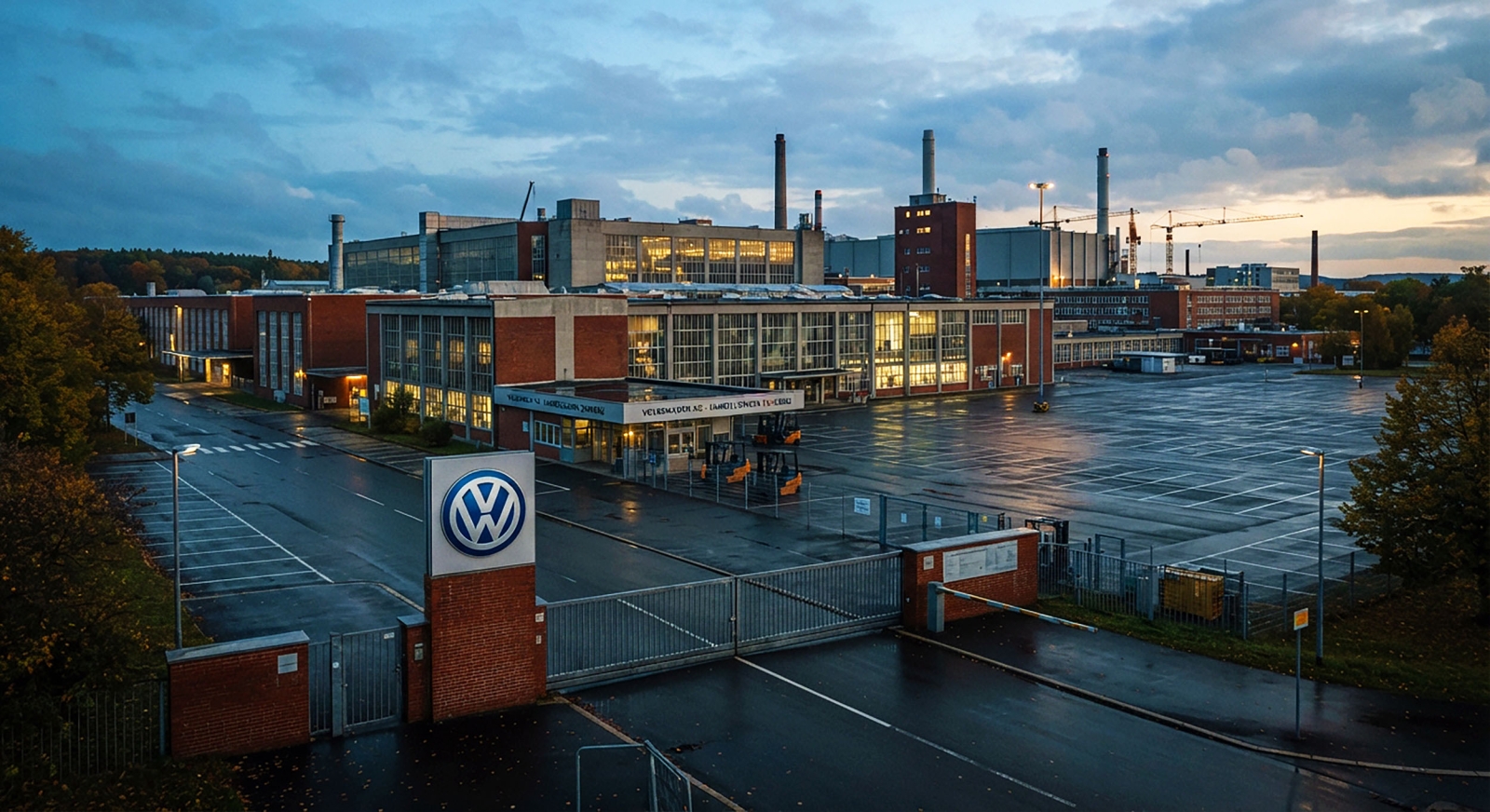
The Volkswagen Group is going through one of the most severe crises in its history for almost a century. A confidential 147-page internal report, prepared for the Supervisory Board meeting (Aufsichtsrat), outlines a drastic restructuring strategy: the gradual closure of four major plants in Germany by 2034. This unprecedented measure in the history of the German giant could put more than 140,000 jobs at the group and its supplier network at risk.
The group's CEO, Oliver Blume, is set to officially present the details of this radical plan to the Council, confirming the alarm signals previously raised regarding the loss of competitiveness of German manufacturing.
A Roadmap to Relocation – Which Factories Are Closing and When
According to internal documents, Volkswagen is not planning an overnight shutdown, but a phased transition. As current models end their life cycles, their successor generations will no longer be assembled in Germany, but will be relocated to plants in Central and Eastern Europe, where production costs are significantly lower.
The schedule and plants targeted are as follows:
1. Emden and Zwickau plants (Planned closure: 2031):
- Emden: The plant currently produces the electric Volkswagen ID.4 and ID.7 models. Production of the ID.4 successor will be moved to the Škoda plant in Mladá Boleslav (Czech Republic).
- Zwickau: Considered the pillar of the group's electric transition (in which more than 1.2 billion euros have been invested), the plant currently produces the ID.3, ID.4, ID.5, Audi Q4 e-tron and Cupra Born, along with the bodies for the luxury SUVs Bentley Bentayga and Lamborghini Urus. The replacement for the Audi Q4 e-tron is planned to be assembled in Bratislava (Slovakia).
2. Hanover Plant (Planned Closure: 2032):
- Specializing in commercial and utility vehicles, the factory assembles the electric ID. Buzz and Multivan models. Production of future generations of utility vehicles is expected to be transferred to the plant in Pozna? (Poland).
3. Audi plant in Neckarsulm (Planned closure: 2034):
- The flagship plant for Audi's premium range, it produces the A5, A6, A8 and the electric Audi e-tron GT. The successor to the flagship A8 is scheduled to be moved to the Porsche plant in Leipzig (Saxony).
In total, the four plants directly employ around 40,000 people and have an annual capacity of around 750.000 vehicles. However, the knock-on effect on component suppliers and the related restructuring could lead to the loss of more than 140.000 jobs across the German economy.
Causes of the crises – How the auto giant got into this situation
The decision to put on the table the option of closing factories in Germany — a taboo subject in recent decades — is the result of a perfect storm of economic, technological and geopolitical factors.
1. Dramatic decline in demand for electric vehicles (EVs) in Europe
The transition to electric mobility has not maintained the accelerated pace envisioned by automotive executives. The abrupt elimination of government subsidies for the purchase of electric cars (notably in Germany at the end of 2023), combined with high inflation and still patchy charging infrastructure, has led to a severe stagnation in sales.
2. Unsustainable production costs in Germany
CEO Oliver Blume has openly stated that the overhead and fixed costs of German factories are more than 30% higher than those of direct competitors. High energy prices post-2022, coupled with high wages and collective benefits for German workers, make domestic production unprofitable compared to factories in Eastern Europe or Asia.
3. The aggressive offensive of Chinese builders
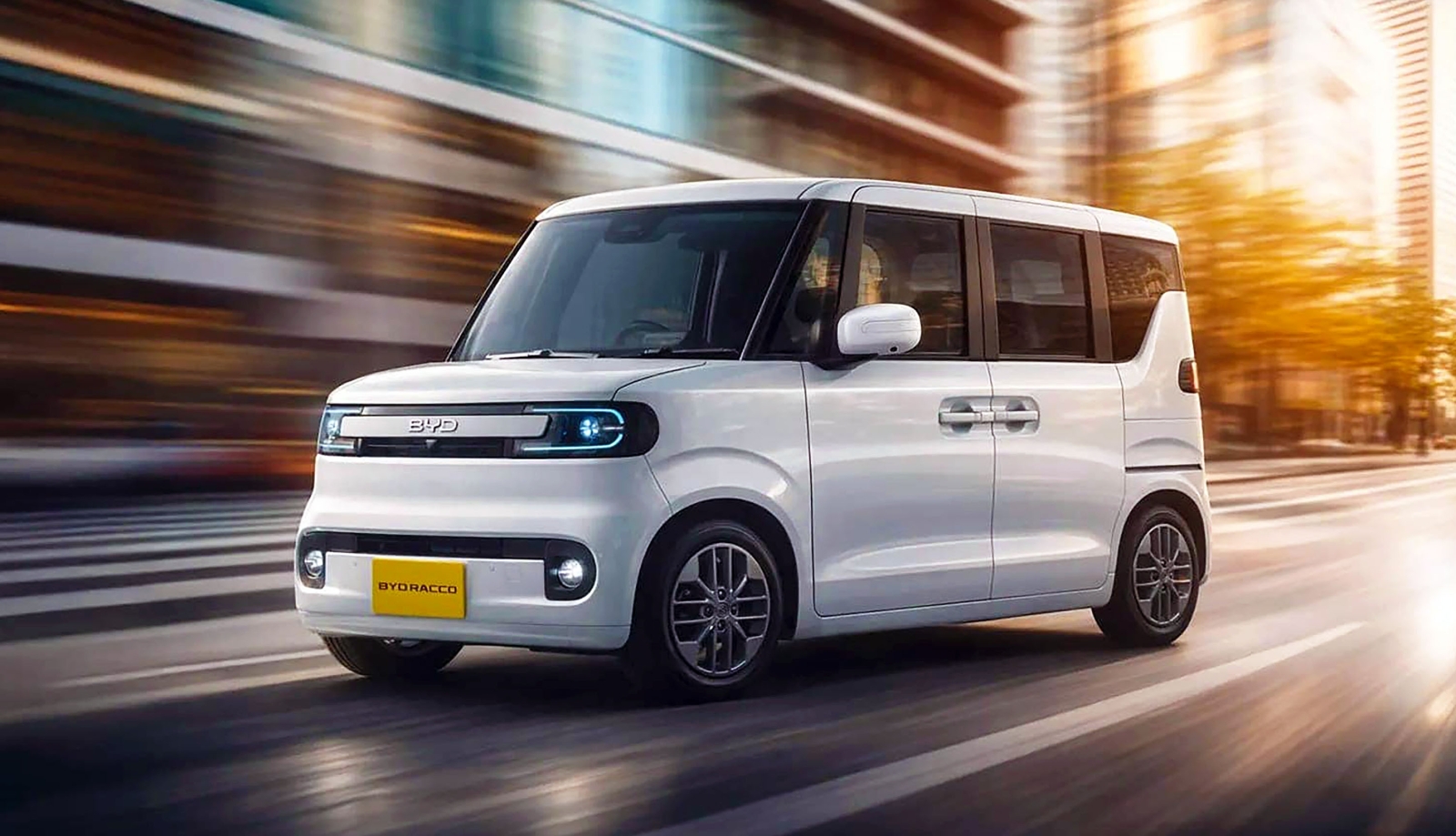
Chinese brands (such as BYD, Geely or NIO) have made a strong entry into the European market. Benefiting from an integrated battery supply chain, state support and a substantial advantage in production costs, they offer modern electric vehicles at much more affordable prices than those proposed by Volkswagen.
4. Massive production overcapacity
The group's German factories are operating at a fraction of their maximum capacity. For example, the Zwickau plant is designed for 360,000 cars per year, but production estimates have fallen to around 200,000 units, generating considerable efficiency losses.
5. Technological and software difficulties (Cariad)
Systematic problems at its internal software division Cariad have delayed the launch of several next-generation electric platforms and created major delays in the launch of new Audi and Porsche models, eroding the technological lead the group had hoped to gain over American and Chinese competitors.
The political and union battle – What's next?
The management's proposal will not be easy to implement. Volkswagen's supervisory board has a unique structure: of the 20 seats, 12 are held by employee representatives (IG Metall unions) and representatives of the state of Lower Saxony. The latter have a blocking majority and have strongly opposed the closure of plants on German soil.
Daniela Cavallo, chairwoman of the Volkswagen Works Council, harshly criticized the leaks in the report and demanded that management present clear efficiency plans instead of drastic capacity reduction measures.
According to the report, the targeted factories have been given a window until June 2027 to reduce their costs and demonstrate their economic competitiveness. Otherwise, the shutdown of production lines and relocation to Eastern Europe will become the inevitable scenario from 2031.