Honda reports historic losses and cuts investment in electric vehicles
The silence at the Tokyo headquarters was shattered this week by an announcement that will remain in automotive history: Honda, the symbol of reliability and prudent management, has decided to cancel its top electric vehicle projects, amid a financial crisis unprecedented in the last seven decades.
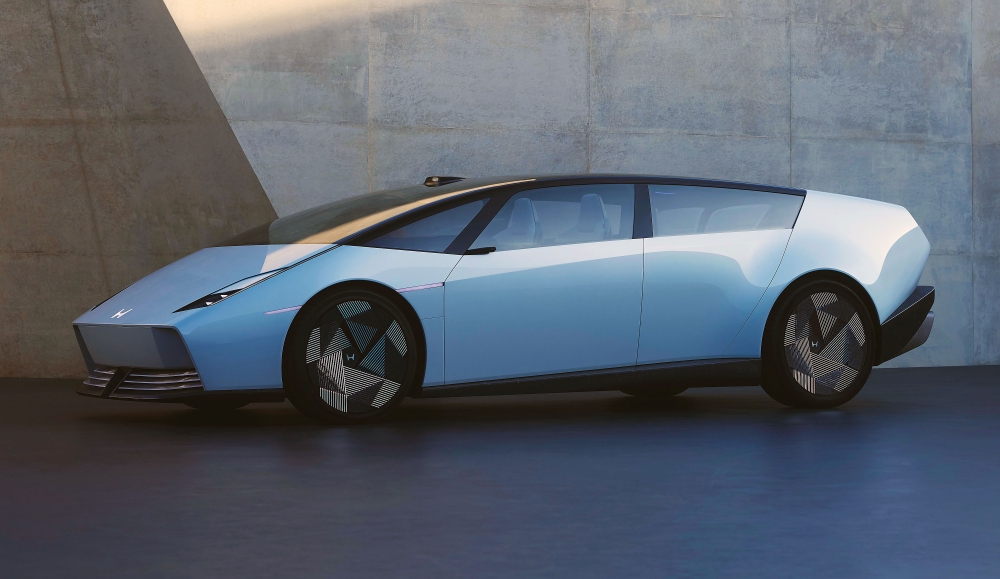
In a move that sent shockwaves through stock markets, the Japanese automaker has officially confirmed that it is permanently halting development of three key models: the Honda 0 Series Saloon, Honda 0 Series SUV and the long-awaited Acura RSX electric model. The decision comes just a year after these futuristic concepts were presented as the “future of the brand.”
A "zero" that cost billions
Launched with fanfare in early 2025, the 0 Series family of models was supposed to represent Honda's "reset" for the electric age. The sedan, with its radical and aerodynamic design, was scheduled to go into production this year in Ohio, USA.
However, economic reality trumped avant-garde design. Honda admitted that continuing to invest in these models would have meant “even greater losses in the long run.” Along with them, the Acura RSX, a legendary name that was supposed to be reborn in electric form for the North American market, also fell victim.
The "Electric Dream" Bill: The First Losses of 1957
The reason behind this strategic retreat is purely financial, but the numbers are alarming. For the first time since it went public nearly 70 years ago, Honda is set to report a net annual loss.
- Estimated losses: Between 420 and 690 billion yen (approx. $4.3 billion).
- Restructuring costs: Up to 2.5 trillion yen allocated to reevaluate the entire electrification strategy.
- Responsibility at the top: In a typical Japanese gesture of honor, the president and executive vice president announced that they would forgo 30% of their salary for three months and would not receive performance bonuses for fiscal year 2026.
Why did the plan fail?
Economic journalists and automotive analysts point to a "perfect storm" of factors that brought Honda's strategy to its knees:
- The electric "chasm": Global demand for 100% electric cars has fallen much more violently than manufacturers anticipated, with consumers still reluctant to face high prices and poor infrastructure.
- Effect of tariffs and US politics: Political changes in Washington, including new tariffs and reduced subsidies for electric vehicles, have made manufacturing in Ohio uncompetitive.
- China Pressure: Chinese EV manufacturers have been able to offer superior software technology at prices that Honda has been unable to match.
"Demand for electric vehicles has fallen much more violently than anticipated, making maintaining profitability an almost impossible mission at this time," Honda CEO Toshihiro Mibe said in a sober-toned press conference.
What's next? Back to basics (hybrids)
Honda isn't giving up on electric completely, but it is radically shifting its priorities. The company announced that it will focus its resources on hybrid vehicles, now seen as a "pragmatic bridge" needed until the market is truly ready for the full transition.
While the 0 Series models become museum pieces before they see the asphalt, Honda hopes this financial "cold shower" will clean up the balance sheet for a healthier comeback in the years to come.