No Formula 1 in April: Middle East crisis forces change in competition calendar
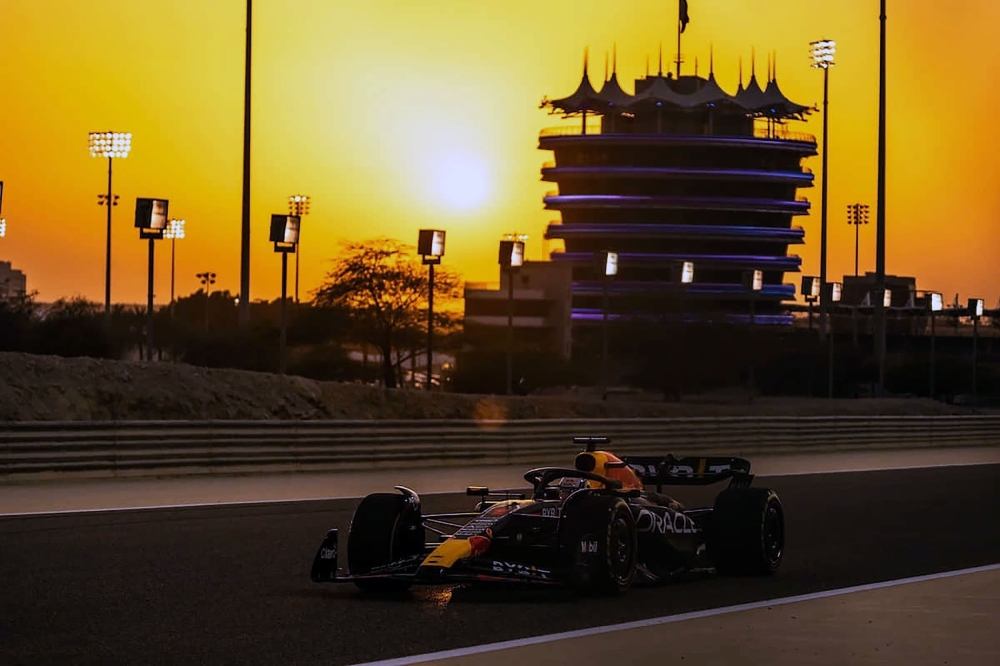
The world of motorsport has been sent into a tailspin just before the curtain rises on the new season. Due to the recent military conflict in Iran and the major security risks in the region, Formula 1 has officially confirmed that Bahrain and Saudi Arabia are disappearing from the April calendar. The result? A forced month-long break that leaves fans and teams in a state of total uncertainty.
Security First: Shadow of Conflict Over Sakhir Circuit
The decision, although drastic, did not come without a solid foundation of fear. The conflict in Iran escalated rapidly, transforming the Middle East into a zone of maximum risk. The critical point was represented by the attacks on several American bases in the region.
The most alarming situation was reported in Bahrain, where a military base just 20 kilometers from the Formula 1 circuit was targeted by attacks. Under these conditions, holding an event of such global magnitude, which attracts tens of thousands of spectators and international staff, was considered a logistical and human irresponsibility.
An April without engines running
After the Japanese Grand Prix, scheduled for March 29, the paddock will enter an unexpected and unwanted spring break. F1 officials have been clear:
- No replacements: Cancelled stages will not be replaced by other European or Asian circuits on an emergency basis.
- Ripple effect: It's not just Formula 1 that's affected. The supporting series — Formula 2, Formula 3 and F1 Academy — have also canceled their scheduled rounds at these locations.
"While this was a difficult decision, it is unfortunately the right one at this time, given the current situation in the Middle East," said Stefano Domenicali, Formula 1 CEO.
Calendar realignment: Cancel or postpone?
A key aspect of the official statement is the nuance used by the sport's leadership. The word "definitively" was not uttered. Formula 1 only stated that the races "will no longer take place in April," leaving the door open for a rescheduling towards the end of the year if geopolitical tensions subside.
However, the F1 calendar is already one of the busiest in history. Finding a "window" for two races in the Middle East in the autumn or winter will be a logistical nightmare for teams, who are already complaining of staff exhaustion.
What's next for fans?
The enforced break in April will leave a huge gap in TV ratings and promoter revenue. For teams, this unplanned "intermezzo" could become an arms race in the factories, with engineers now having an extra month to develop upgrade packages before the season resumes.
Domenicali wanted to thank the hosts for their understanding: "We can't wait to return to them as soon as circumstances allow." Until then, however, the only sound that will be heard in Bahrain and Jeddah in April will, unfortunately, be that of uncertainty.