The offensive continues: The European Union is preparing massive customs duties for plug-in hybrid cars from China as well
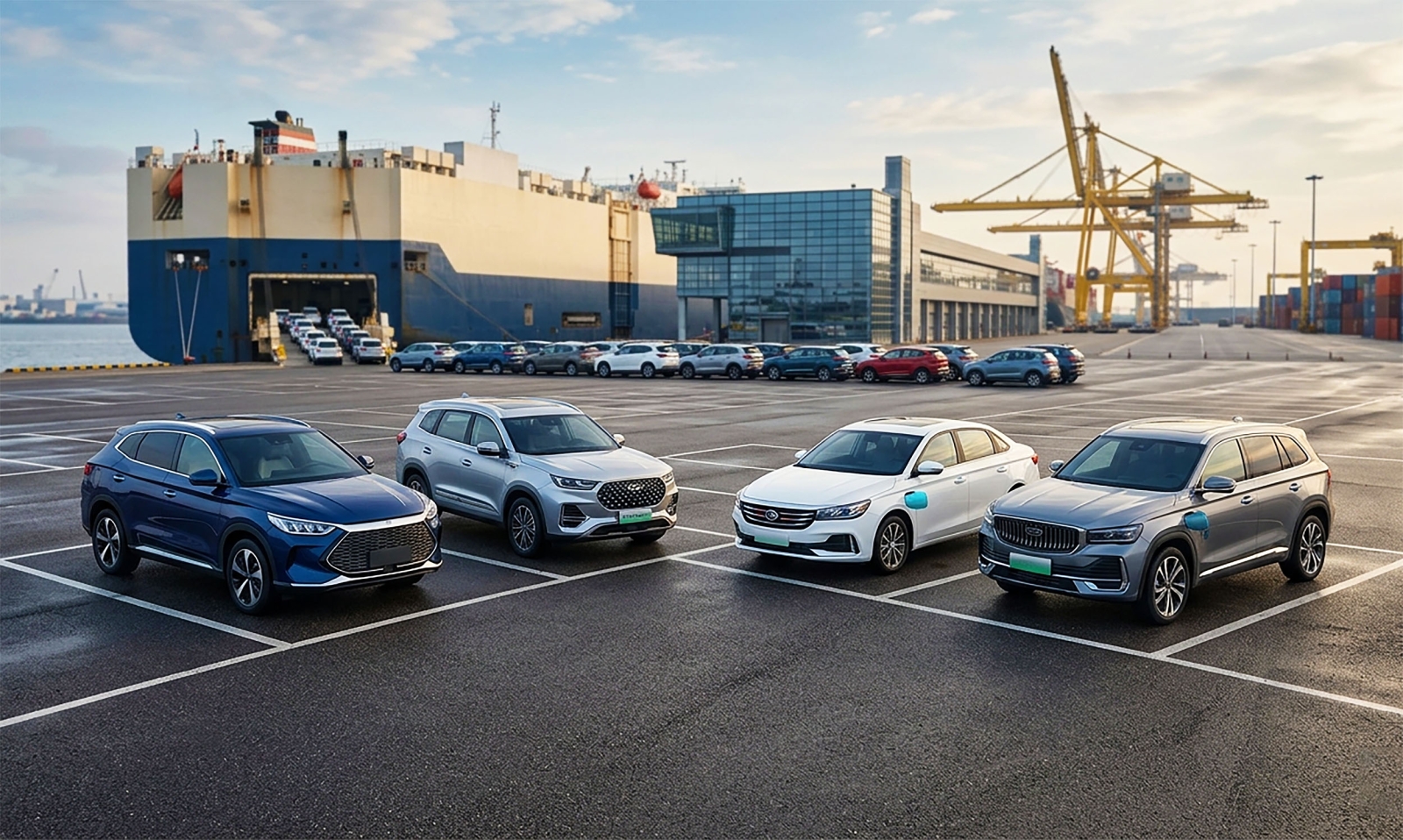
Brussels, 19 June 2026 – The European Commission is preparing to close a major regulatory loophole that has allowed Chinese carmakers to maintain their trade assault on the European market. After slapping tariffs on fully electric vehicles (BEVs) at the end of 2024, the European executive is now targeting plug-in hybrid vehicles (PHEVs) imported from China. The new measures, revealed by German newspaper Handelsblatt, will bring additional customs duties of up to 35%, on top of the standard 10% tariff, once the plan is given the green light by a majority of EU member states.
The legislative loophole that triggered the "hybrid assault"
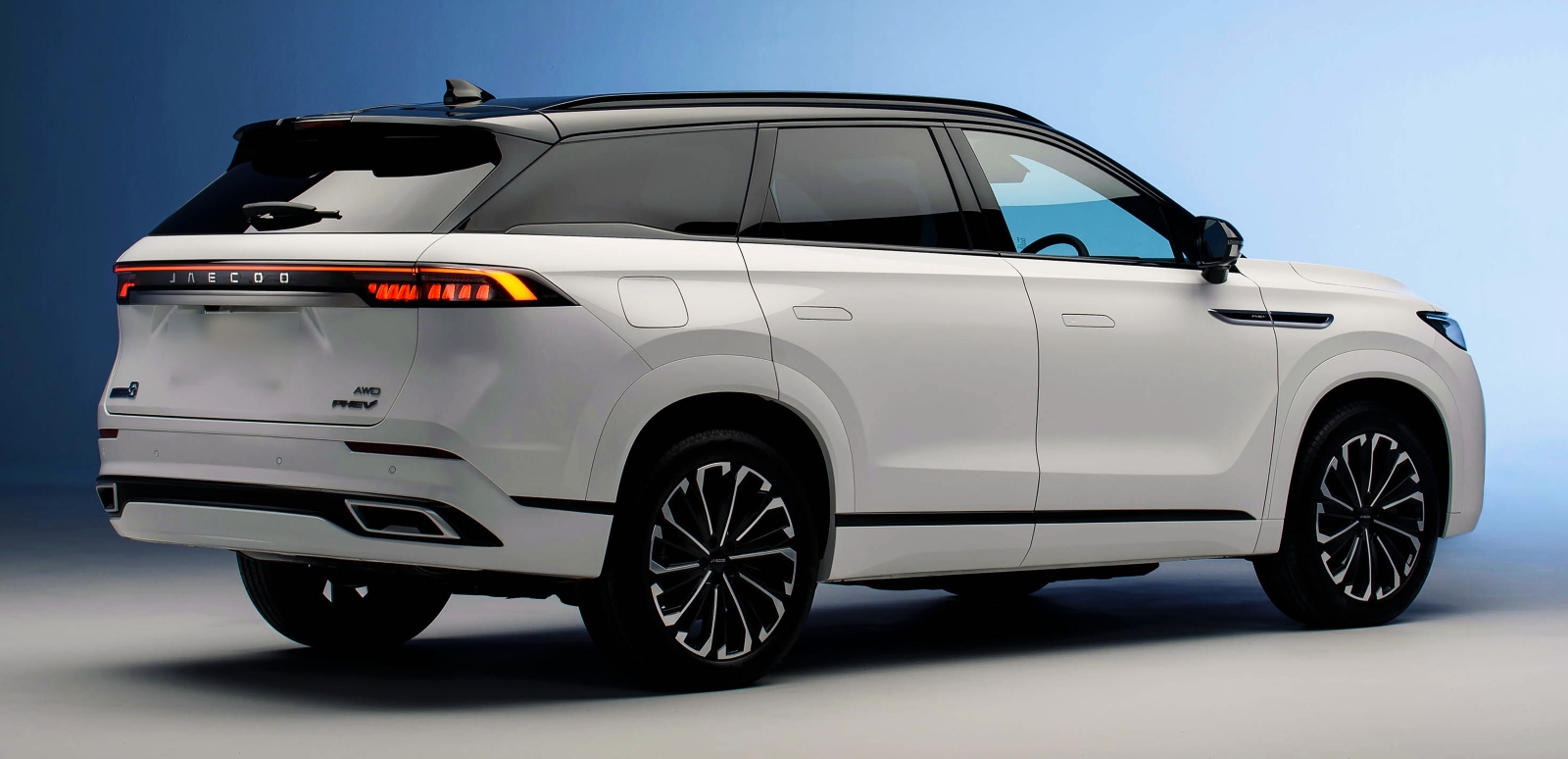
When the European Union imposed strict countervailing duties on Chinese electric cars in the fall of 2024, companies like BYD, Chery and SAIC demonstrated remarkable commercial agility. Exempt from surcharges, plug-in hybrid electric vehicles (PHEVs) quickly became the new "Trojan horse" of the Chinese auto industry in the Old Continent.
The figures analyzed at the European Commission level show a reality that is hard to ignore:
- Explosive growth: Chinese hybrid car exports to the EU have seen a massive 155% jump in a single year, while pure electric deliveries have stagnated or advanced timidly.
- Change of strategy: At brands like BYD, PHEV models (such as the DM-i SUVs or the new Dolphin G DM-i) have come to represent around 70% of new registrations in key European markets, such as Germany.
In this context, senior European officials have argued that hybrid cars benefit from the same massive and anti-competitive state subsidies from the Beijing government as electric vehicles, thus justifying an identical intervention.
How much will Chinese PHEV cars cost? Tariff structure
Technically, the new tariffs on plug-in hybrids will copy the model already implemented for electric cars. Brussels will apply differentiated tariffs, calculated according to the degree of cooperation of manufacturers with the European anti-subsidy investigation:
| Manufacturer / Category | Proposed Additional Duty | Existing Standard Tariff | Estimated Total Tariff |
| SAIC (MG) & Non-cooperating manufacturers | Up to 35.3% | 10% | 45.3% |
| Geely (Volvo, Polestar, Lynk & Co) | ~18.8% | 10% | 28.8% |
| BYD | ~17% | 10% | 27% |
Buyer tip: Market analysts warn that Europeans who have their eyes on a Chinese-made PHEV model should hurry. Once approved by member states, the new taxes will directly translate into substantial price increases at dealers, eliminating the unbeatable price advantage.
China's backup plan: "Made in Europe" factories
Massive surcharges put Chinese manufacturers in a dilemma: either absorb the costs and drastically reduce their profit margins, or raise prices, risking losing customers to traditional European brands.
To completely avoid these trade barriers, major Asian players have already accelerated plans to produce cars directly on European soil:
- BYD is already building a huge plant in Hungary, set to change the rules of the game.
- Chery and SAIC have signed strategic partnerships in Spain to take over or reuse existing auto production facilities.
- Leapmotor already uses the Stellantis group's network and factories in Europe for the rapid assembly of its models.
What's next? The European Commission's plan is on the table of EU leaders. If a qualified majority of member states agree within the next period, the new PHEV tariffs will come into effect as a matter of urgency, fundamentally restructuring the European car market.