Change of strategy in the automotive industry: Why the era of universal cars has ended, according to Audi
The global automotive industry is undergoing an unprecedented paradigm shift. The traditional business model, based on creating a single vehicle capable of simultaneously conquering customers in Berlin, New York and Beijing, is officially history. German manufacturer Audi warns that the “global car” strategy is no longer viable, with the future belonging to regionally developed vehicles, strictly adapted to local culture and requirements.
The most eloquent example of this new vision is the launch of the new AUDI brand in China – a separate brand, created specifically to meet the unique demands of the Asian market.
The death of the "global machine" and the "Local-for-Local" strategy
The German brand's management openly admits that standardizing the global portfolio is no longer working. The divergences between customer preferences on the major continents have become far too great to be covered by a single standard product.
Audi's technical director, Rouven Mohr, explained the radical transition to the new regional business model:
"I think the idea of the global machine – that machine that works everywhere in the world – that doesn't exist anymore, to tell you the truth, because it doesn't work in the United States and in China anymore. Now you need this kind of local-for-local."
Two different worlds: What Europeans want vs. what the Chinese want
Mohr's technical arguments are also supported by an in-depth market analysis by Ralf Brandstätter, head of the Chinese subsidiary of the Volkswagen Group. It highlights a huge gap between the mentality of the European buyer and that of the Chinese buyer:
- European Buyer Profile: Remains true to traditional automotive values. Europeans prefer cars with intuitive touch controls, long-term durability and excellent dynamic behavior on the road.
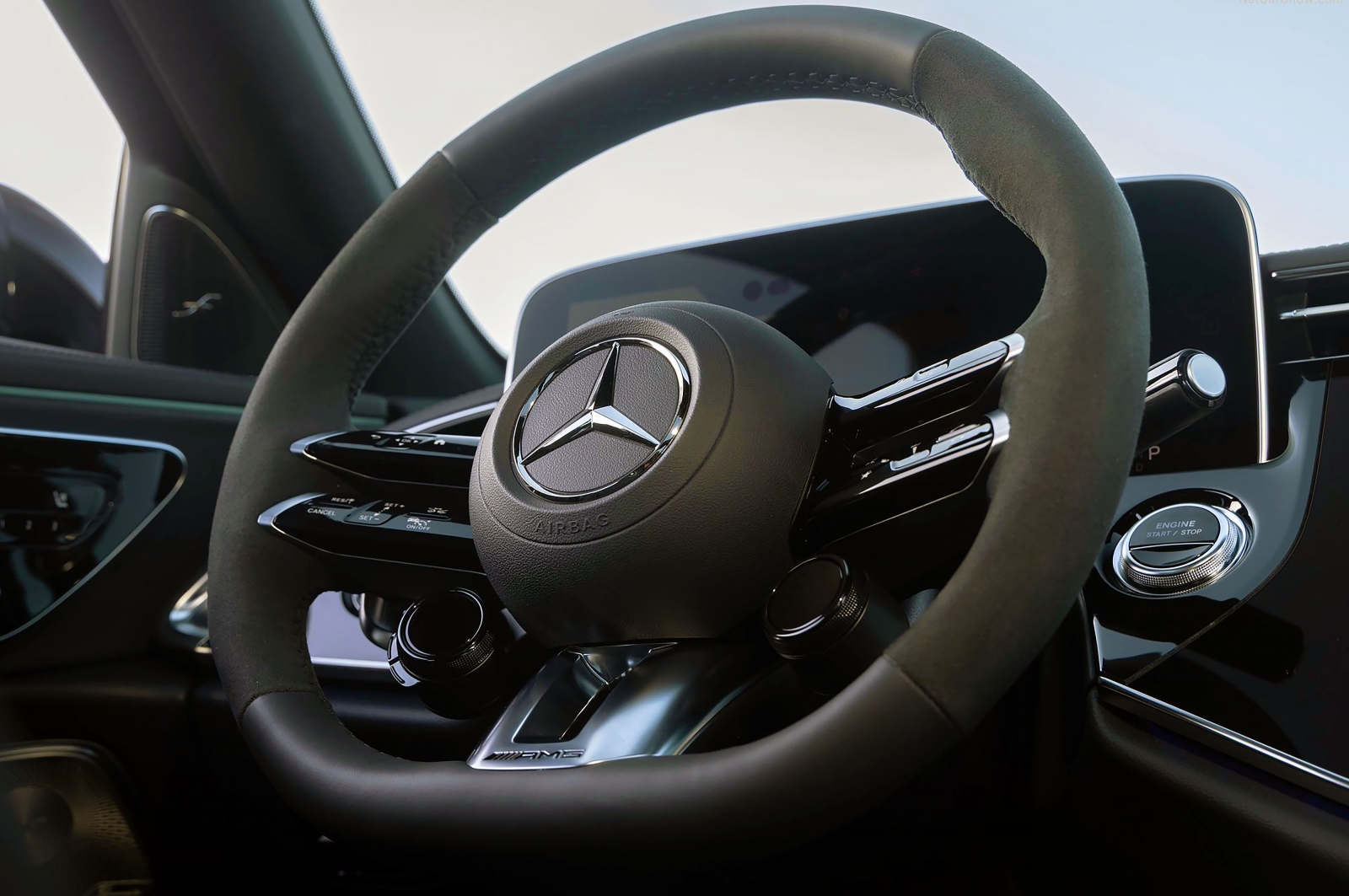
- Chinese buyer profile: Driven by extreme digitalization, Chinese customers are looking for vehicles connected by artificial intelligence, advanced voice control systems, and smart cockpits that can function as a second smartphone. They also demand extremely spacious cabins and top-notch performance.
Case Study: The New “AUDI” Brand – No Rings, But With Chinese Technology
To put this philosophy into practice, the Ingolstadt-based automaker launched a new brand dedicated exclusively to China two years ago. In a surprising marketing move, the new entity bears the exact same name as the parent brand, but with two major differences in visual identity:
- The name is written exclusively in capital letters: AUDI.
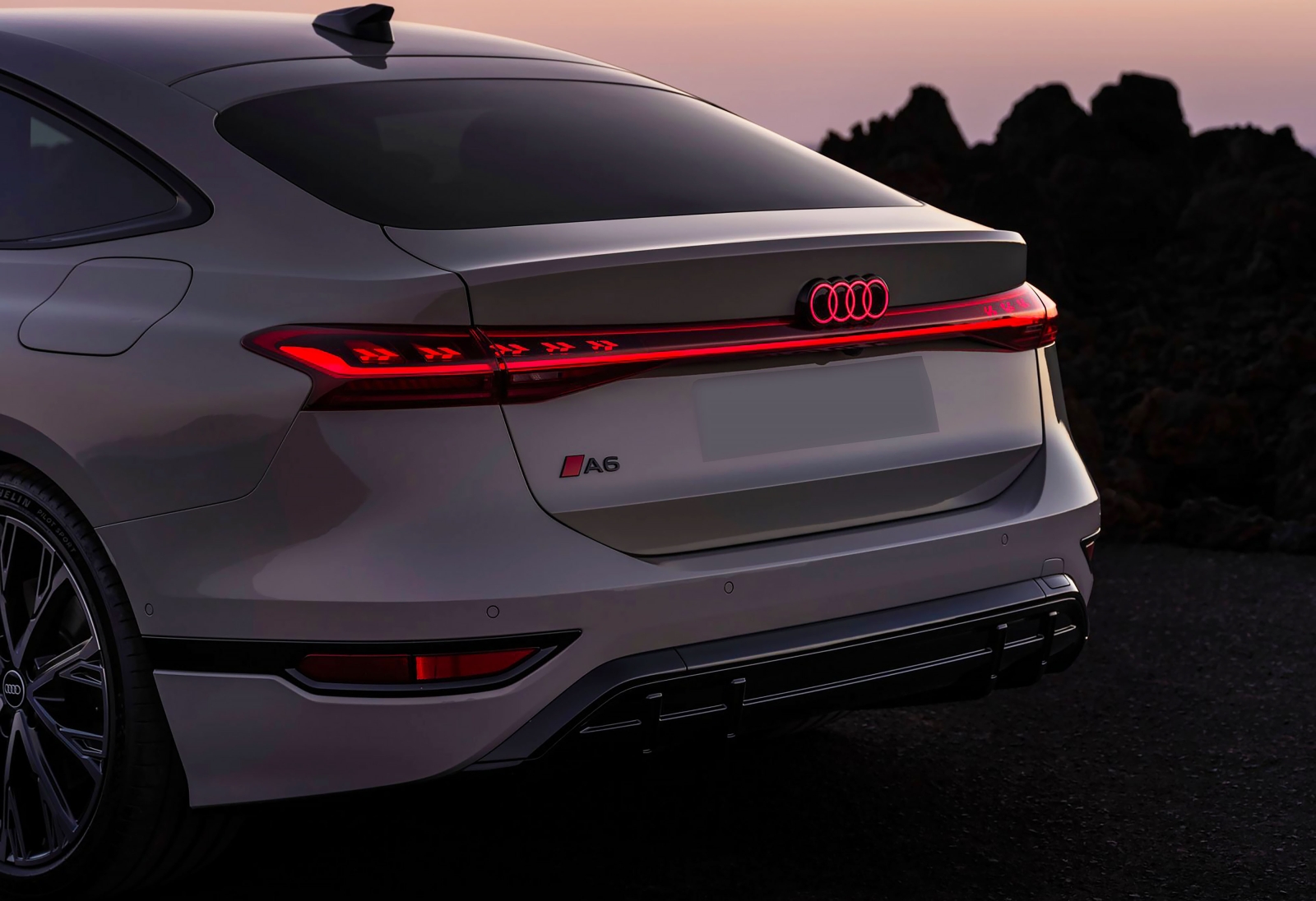
- The legendary emblem with the 4 rings is completely missing from the bodywork.
Although Audi will continue to sell its traditional (4-ring) models in parallel in China, officials are aware that future sales growth in the world's largest auto market will not come from Europe, but from within this new regional brand.
Current AUDI (China) portfolio
The new regional brand has already debuted with a range consisting of two fully electric models, designed specifically for the local public:
| Model | Body Type | Powertrain | Key Features / Specifications |
| AUDI E5 Sportback | Station Wagon / Sportback | 100% Electric | Extended space, AI connectivity |
| AUDI E7X | SUV | 100% Electric | Smart cockpit, high performance |
With this move, Audi is demonstrating that flexibility and radical localization have become the new currencies in the survival of the premium car industry. Manufacturers that insist on selling the same global platforms risk losing ground to local competition, which is much more agile and more connected to the real desires of the public.