The Electric Revolution in Numbers: Volkswagen Group has produced 5 million electric motors
Wolfsburg, Germany – The Volkswagen Group has officially announced that it has reached a historic milestone in its digital and sustainable transformation process: the production of 5 million electric motors. This milestone is not just an impressive inventory figure, but a confirmation of the technological maturity that the German giant has reached, at a time when the electric vehicle (EV) market is moving from a niche to a volume segment.
A global production network: The heart of Kassel and the strength of Gyor
The success of the 5 million units is based on an extremely well-integrated production network, with pillars in Europe and Asia. The electric motors that equip the models of the Volkswagen, Skoda, Cupra and Porsche brands are the result of work in four strategic centers:
- Kassel (Germany): Center of Excellence for Electric Drives. In 2025, the plant saw record growth of 24%, producing over 850,000 units.
- Gyor (Hungary): The Audi Hungaria plant, the world's largest engine factory, is playing a crucial role, now preparing for the new generation of affordable powertrains.
- Zuffenhausen (Germany): The place where high-performance engines for Porsche models and the PPE platform are born.
- Tianjin (China): The hub that powers the world's largest electric car market.
APP550: The "Golden Engine" of the ID and Enyaq range
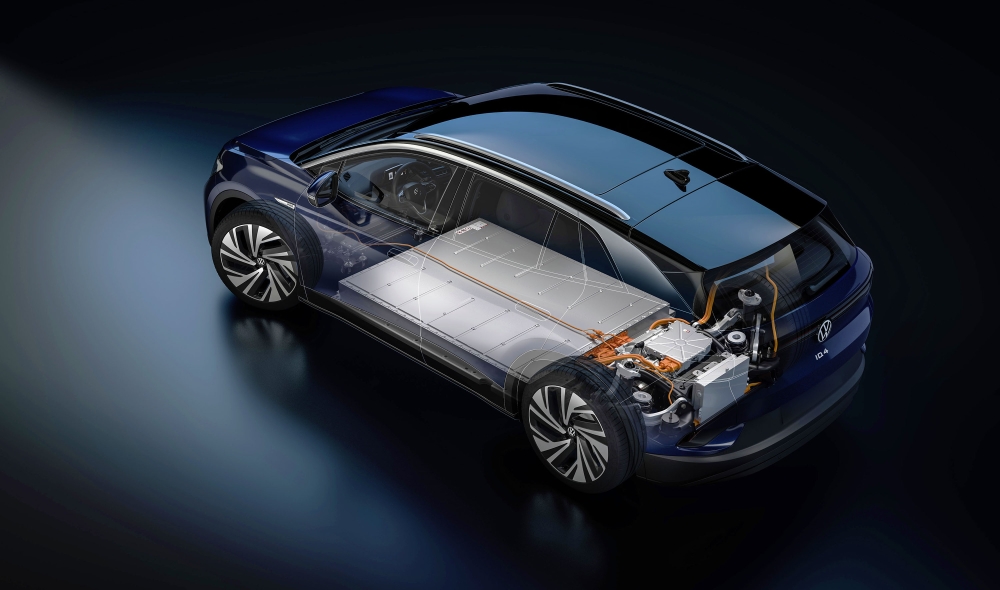
The centerpiece of this success is the APP550 engine series. Described by specialists as the “EA888 of the electric era” (referring to the group’s famous gasoline engine), the APP550 has already surpassed the one million unit mark produced in Kassel alone.
This engine represents a major technological leap compared to the first generations: it offers power of up to 240 kW (326 hp) and an impressive torque of 560 Nm. More importantly for users, its efficiency has increased by 20%, which directly translates into greater autonomy for models such as the Volkswagen ID.7, Skoda Enyaq or Cupra Tavascan.
The Future is Accessible: The APP290 Engine and the “Urban Family”
The Volkswagen Group's next big bet is to democratize electric mobility. In this regard, 2026 marks the introduction of the new APP290 engine, designed specifically for the future family of urban electric cars.
This engine will equip the long-awaited models: Volkswagen ID. Polo, Skoda Epiq and Cupra Raval. With powers ranging from 116 hp to 226 hp, the APP290 will be the group's first volume engine to use a silicon carbide (SiC) inverter, a technology that reduces energy losses and allows faster charging, all at a targeted starting price of around 25,000 euros.
Technological independence: The "brain" of the engine, produced in-house
A major strategic development accompanying the 5 million milestone is the group's decision to produce its own boost inverters – the "brains" that manage the flow of energy between the battery and the engine. By developing these critical components in-house, Volkswagen reduces its dependence on external suppliers and can accelerate innovation cycles, ensuring its technological sovereignty in an increasingly competitive industry.
"The production of 5 million electric motors demonstrates that we have succeeded in transferring our decades of expertise in thermal engine engineering to the new era of mobility," the group's representatives said.
With a steady increase in production capacity and a new generation of affordable models on the horizon, the Volkswagen Group seems determined to turn the 5 million milestone into a mere milestone on the way to dominating the global electric vehicle market.
Volkswagen Group on the Romanian market
In Romania, the Volkswagen Group has managed to position itself as the main rival to local leader Dacia Spring and American giant Tesla. The year 2025 marked a turning point in the local market, with the German group dominating the plug-in hybrid (PHEV) segment and consolidating its presence in the top of 100% electric vehicle (BEV) sales.
Top models and units sold
Although the official final figures for the full year 2025 are still being processed by APIA, partial data and registration trends show robust growth for the group's brands.
| Model | Estimated Market Position (EV) | Market Insights |
| Volkswagen ID.4 | Top 5 | The group's best-selling electric SUV; surpassed the 1,000 units/year milestone. |
| Volkswagen ID.3 | Top 10 | Highly popular in corporate fleets and with urban commuters; maintains consistent volume. |
| Skoda Enyaq | Top 10 | The "rational" alternative attracting families; saw a major surge following the 2025 facelift. |
| Cupra Born | Sport Segment | Targeted a younger demographic, contributing to a brand-wide delivery increase of over 60%. |
List prices in Romania (February 2026)
Prices underwent adjustments earlier this year, reflecting new propulsion technologies (APP550 series) and software updates.
Prices include VAT, but do not deduct the Rabla Plus subsidy (which in 2026 continues to be a decisive factor in the purchase decision).
| Model | Starting Price (approx.) |
| Volkswagen ID.3 (Advanced Pro) | from €36,352 |
| Volkswagen ID.4 (Pro) | from €42,400 |
| Volkswagen ID.7 (Sedan) | from €54,000 |
| Skoda Enyaq Facelift | from €42,100 |
| Skoda Enyaq Coupe | from €44,650 |
| Cupra Born | from €42,800 |
| Cupra Tavascan | from €53,450 |
Success factors in Romania
- Leaders in “plug-in hybrids”: In 2025, Volkswagen was the No. 1 brand in the PHEV segment in Romania. Models like the new Tiguan and Passat PHEV (with electric ranges of over 100 km) served as the “gateway” to fully electric vehicles.
- The bet on SUVs: Romanians prefer SUVs, and the ID.4 and Skoda Enyaq have fully benefited from this preference, being considered complete vehicles for a family, unlike small city models.
- Second-Hand Market: The Volkswagen ID.3 has become one of the most sought-after electric cars on the used market in Romania, with prices starting from approximately €14,000 - €18,000 for 2020-2021 models, which is accelerating the brand's adoption.
What's next in 2026?
All eyes are on the commercial launch of the Volkswagen ID.2all (the future ID.2), which promises a starting price of under €25,000. If this model arrives in Romanian showrooms as planned, it could become Dacia Spring's biggest nightmare, offering superior technology at a competitive price.