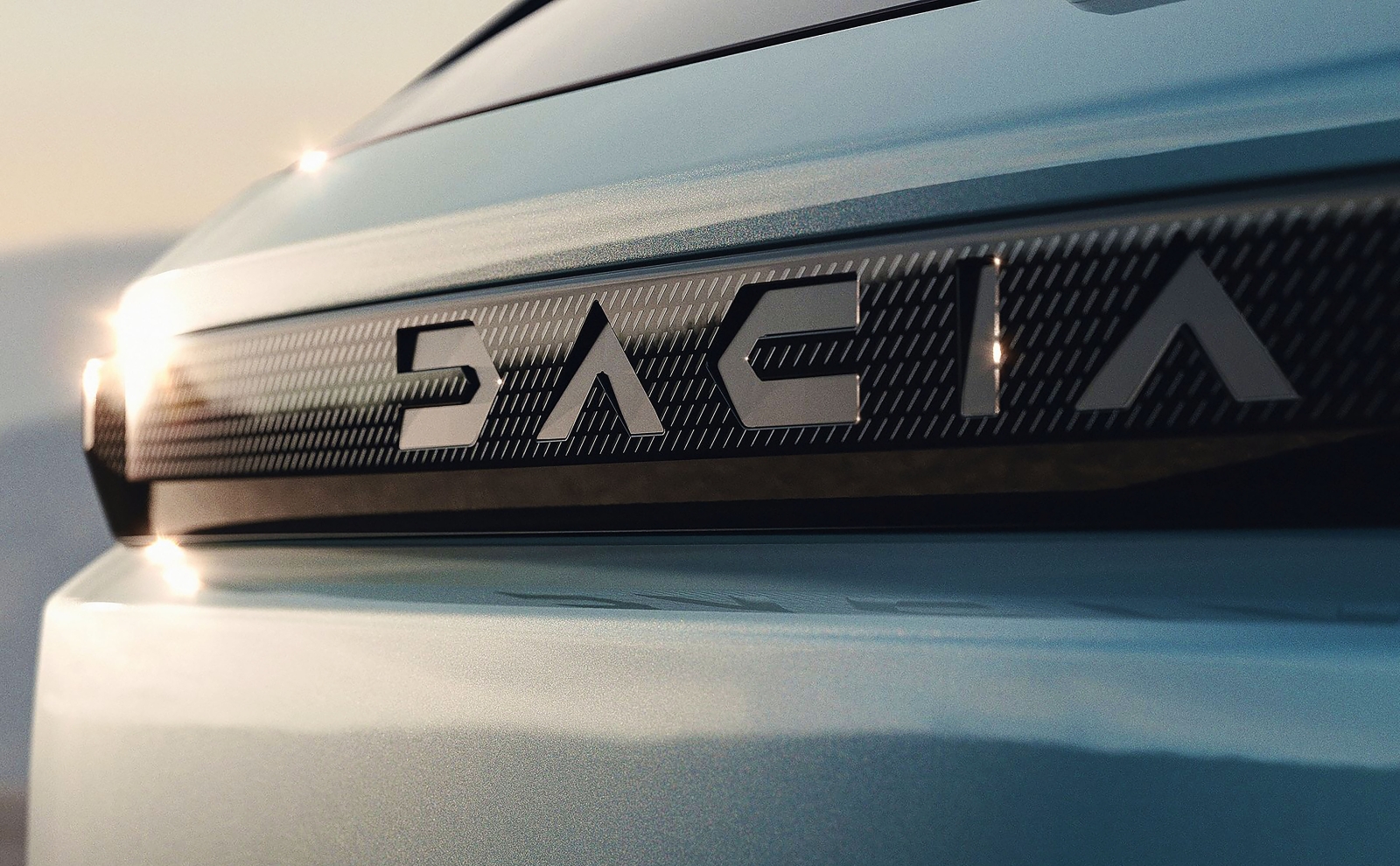
Change of strategy at Dacia, abandoning expansion in the C segment and focusing on the electric revolution
Stepping back from the compact class: The third model, put on hold. For many years, Dacia built its commercial success by focusing exclusively on vehicles in the small and subcompact segments (A and B). The Mioveni brand's entry into the compact class (C segment) marked a historic moment with the launch of the Dacia Bigster SUV in 2025, followed earlier this year by the debut of the new Dacia Striker model.
The manufacturer's initial expansion plan called for the development and launch of a third C-segment model, scheduled for 2027. However, Dacia's management decided to put this project on hold. Instead of dispersing its development resources on a new mid-size vehicle, the brand chose to reconfigure its industrial and financial priorities.
Leadership Position: CEO Katrin Adt's Vision
The decision to freeze the development of the third compact model was confirmed directly by the brand's management. Katrin Adt, Dacia CEO, explained the rationale behind this strategic choice:
"We have a successful entry with Bigster, we see the potential for Striker and currently we have no other plans. We are a brand that does not have many products, we are focusing on the next generation Sandero etc., so, at the moment, there is nothing to declare."
The statement underlines the pragmatic philosophy of the Mioveni brand: maintaining a narrow but extremely efficient and accessible range, avoiding overloading the portfolio at a time when the automotive market is undergoing profound structural transformations.
Green Offensive: How Dacia's range of electric models is expanding
The temporary abandonment of expansion in the C segment does not mean a stagnation of major projects, but a reorientation of resources towards zero-emission mobility. Dacia is preparing a significant acceleration of the electrification of its range, adapted to the financial pragmatism that has established the brand.
The first crucial stage of this plan takes place this fall, when a completely new generation of Dacia Spring will be launched. The model that democratized access to electric cars in Europe is receiving a major evolution, designed to consolidate its leading position in the electrified urban vehicle market.
The most important strategic step, however, will be the electrification of the brand's best-selling car in Europe. The next generation Dacia Sandero will benefit for the first time from a 100% electric version (Sandero EV). Through this move, Dacia aims to once again offer an electric alternative accessible to the general public, but in a volume segment higher than the Spring model, maintaining a price-to-range ratio that is difficult for competitors to match.
Reconfiguring resources for the challenges of the future
The decision to consolidate existing models — Bigster and Striker — instead of forcing the launch of a third compact model allows the manufacturer to direct major investments towards the development of new electrified platforms.
By focusing on the new generation Sandero and perfecting its electric vehicle range, Dacia is protecting its profitability margins and ensuring a smooth transition to the new European environmental regulations. The brand demonstrates that it maintains its clear priorities: high volume, simplicity in production and financial accessibility for customers.