Thermal engines after 2035, the European Commission proposes relaxing carbon dioxide emissions targets
The European automotive landscape is on the verge of a major reconfiguration, after a recent decision from the European Parliament seems to radically change the fate of cars equipped with internal combustion engines. What seemed to be an implacable verdict for gasoline and diesel engines is starting to change considerably, offering a breath of fresh air to automakers, but also increased flexibility to consumers on the old continent.
From total ban to strategic adjustments: The evolution of the European legislative framework
The initial plans undertaken at the European Union level aimed for an abrupt and complete transition to zero-emission mobility. According to previously established regulations, the sale of new passenger cars and light commercial vehicles equipped with internal combustion engines was to be banned in the community bloc starting with 2035.
Although this roadmap has already undergone a series of staged adaptations – such as the proposal to reduce emissions by 90% compared to the 2020 reference level circulated towards the end of last year – economic pressures, market realities and challenges related to charging infrastructure have required a profound reassessment of the official position in Brussels.
Environment Committee Decision: New CO2 Emissions Reduction Target
The most recent episode of this legislative soap opera took place within a key structure of the European Parliament.
- The decisive vote: The European Parliament's Committee on the Environment, Climate Change and Food Safety met recently and officially voted to relax the CO2 emissions targets for new cars.
- New proposed target: Instead of the absolute threshold that effectively amounted to a total ban, the commission set a new target of reducing carbon dioxide emissions by 87.5% by 2035, compared to 2021 levels.
- Next steps: This legislative proposal is to enter the official debate of the European Parliament plenary, where it will go through the necessary steps to become law.
Direct impact: Thermal and hybrid cars could survive after 2035
If the new 87.5% threshold is ultimately approved by the European Union legislative body, the effects on the auto market will be profound and immediate.
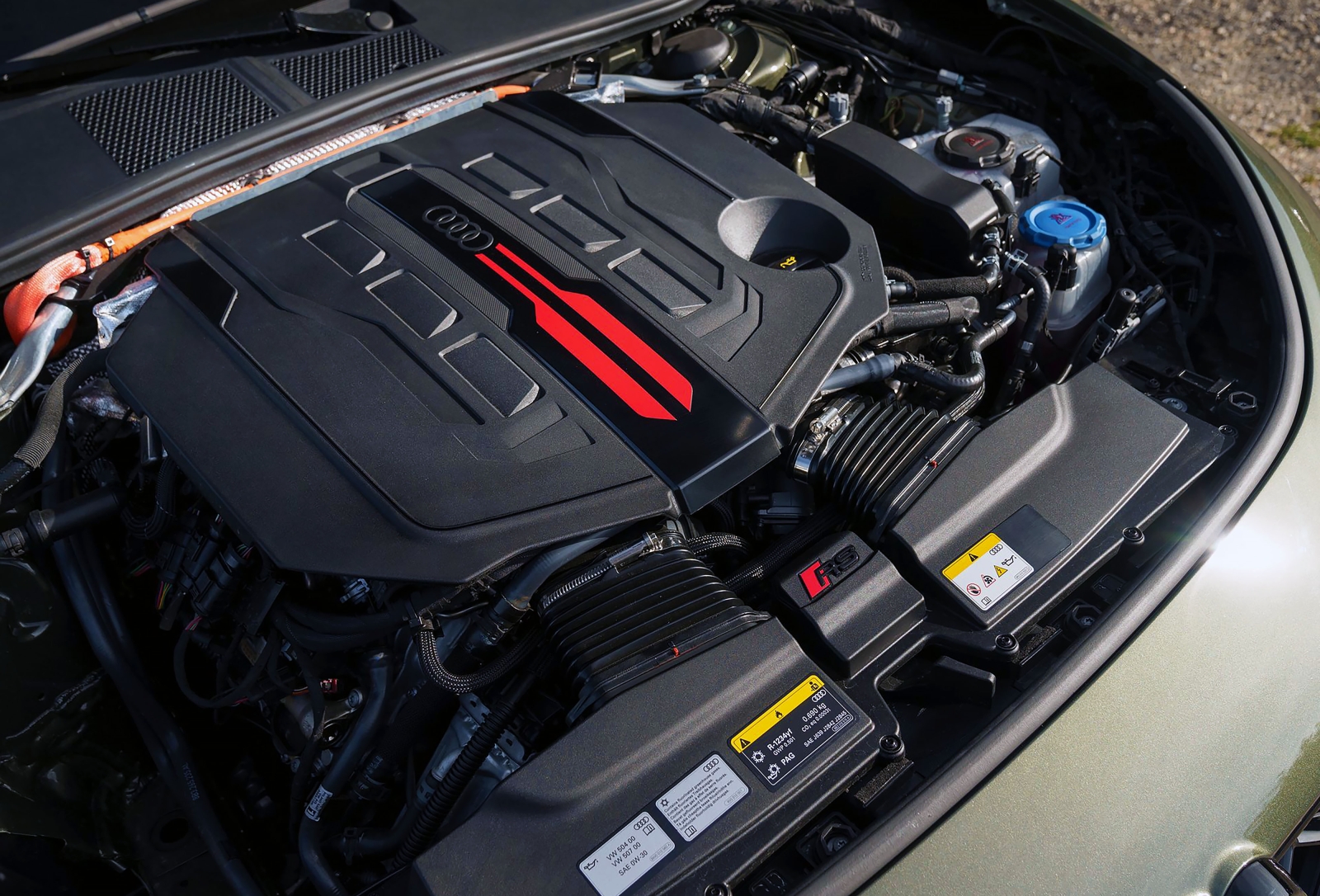
- Survival of combustion engines: Car manufacturers will no longer be required to achieve a 100% reduction in emissions, meaning they will be able to continue selling new cars equipped with combustion engines (including advanced hybrid systems) beyond 2035.
- Market outlook: A recent analysis published by the independent organization Transport & Environment shows that, in the scenario in which these regulatory relaxations are adopted, approximately 39% of all cars sold in the European Union after 2035 will still need internal combustion engines to meet real market demand and the diversity of mobility needs.