Mercedes-Benz transforms Hungarian plant into largest in Europe and strengthens its regional network, including in Romania
Mercedes-Benz is accelerating its electrification and efficiency strategy in Central Europe with a massive investment of 1 billion euros to double the production capacity of its plant in Kecskemét, Hungary. The German automaker’s decision comes as a direct and firm response to the increasing pressures of global competition in terms of technology, digital transition and production cost optimization.
After the expansion work is completed, the Kecskemét plant will become the largest Mercedes-Benz plant in Europe and the second largest worldwide. This structural transformation will give the company greater flexibility to react quickly to fluctuations in the international automotive market. According to government data, the project will increase annual production capacity to 350,000 vehicles and create 3,000 new jobs, strengthening a team that already numbered around 5,200 employees at the end of May.
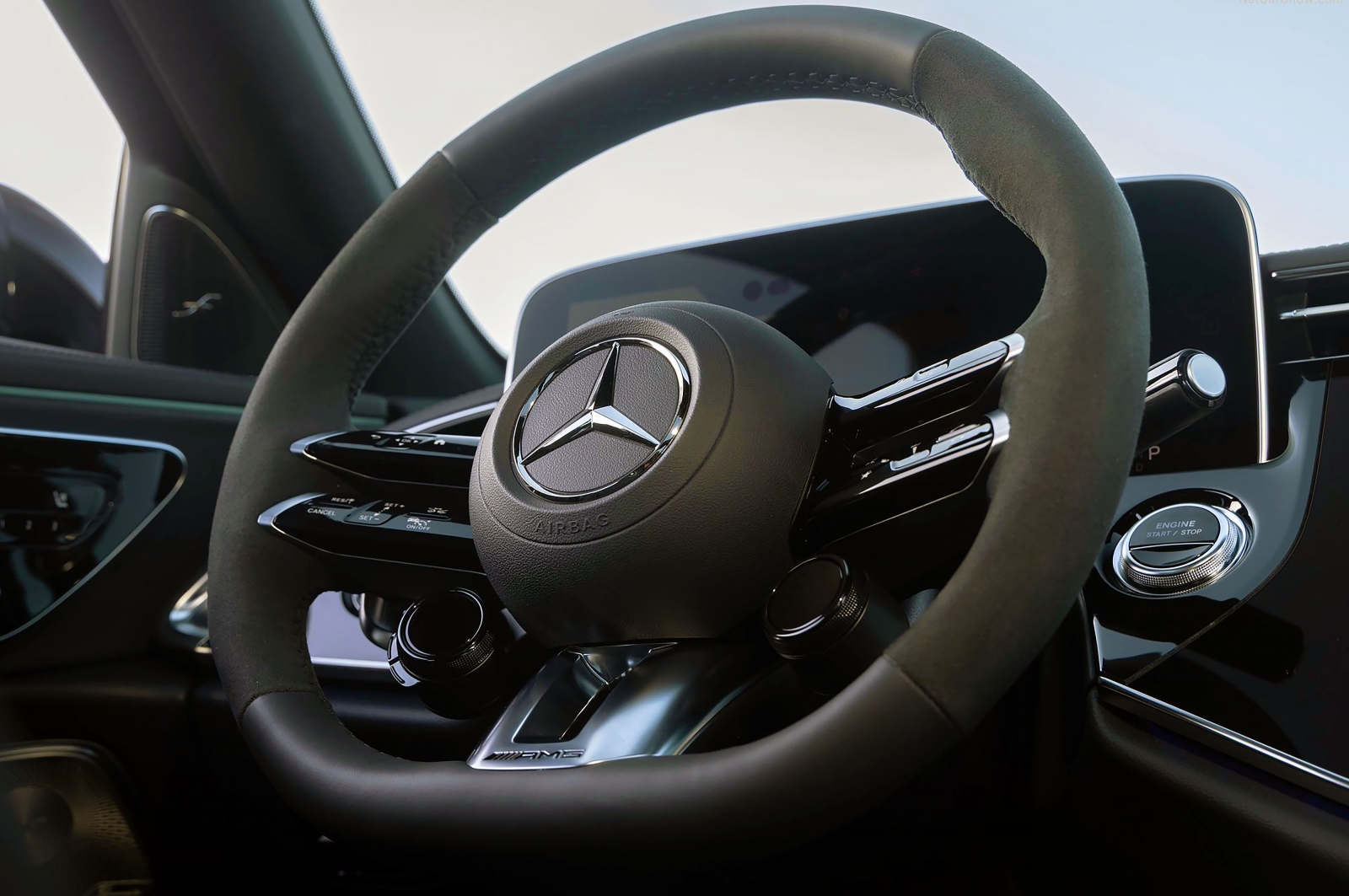
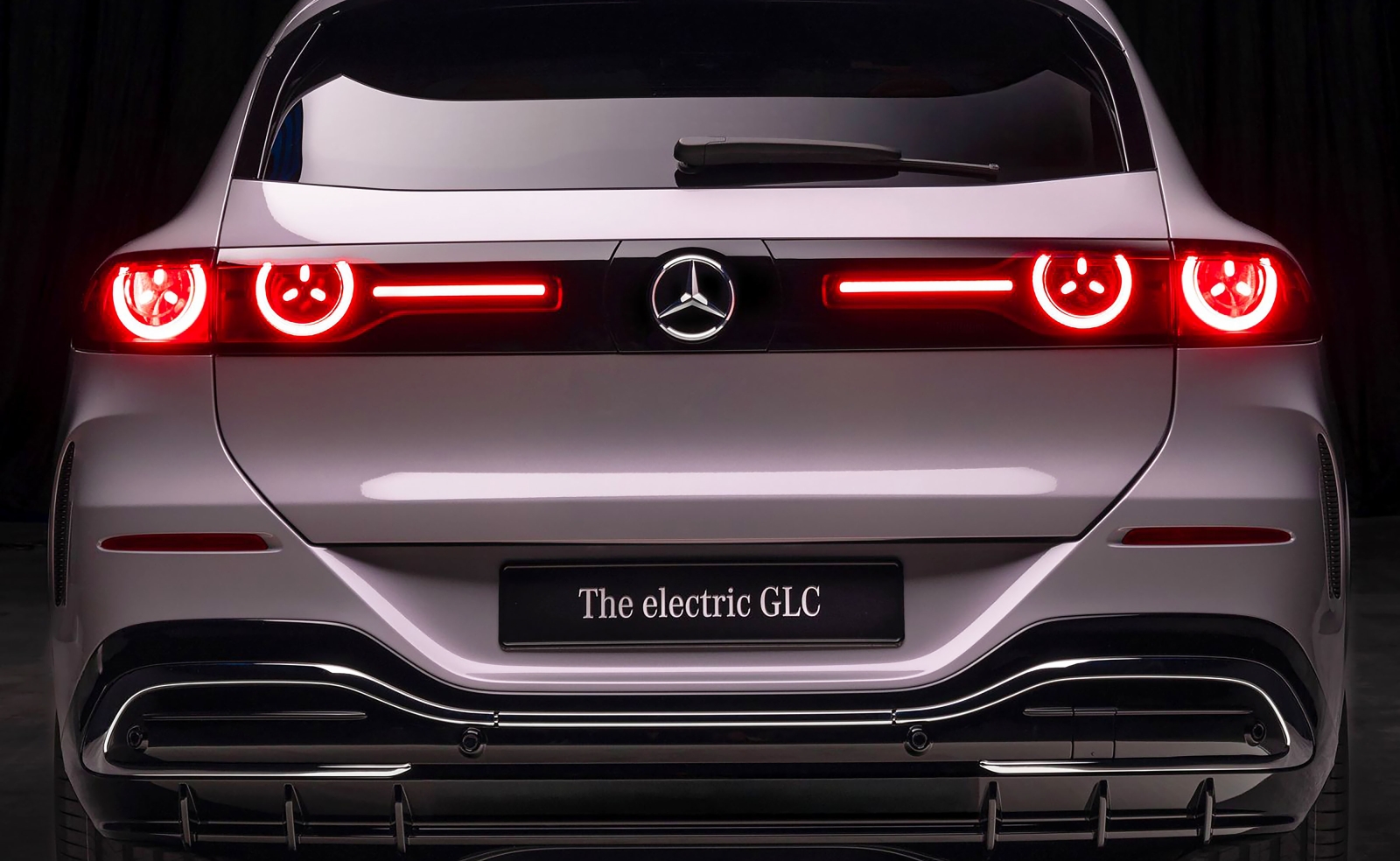
Michael Schiebe, Member of the Mercedes-Benz Board of Management responsible for Production, announced that the assembly lines in Hungary will host the future electric Mercedes-Benz C-Class, alongside two other highly competitive models: the electric GLC and the upcoming compact version of the legendary G-Class.
Present at the event, Hungary's new Prime Minister, Péter Magyar, said his center-right government prioritizes providing a stable and predictable business environment for large foreign investors, marking a departure from previous periods of frequent legislative and fiscal changes. The premier stressed, however, that this partnership comes with clear responsibilities: multinational companies must strictly comply with local laws, guarantee safe working conditions and offer competitive wages that ensure a stable standard of living for employees.
The logistics pillar in Romania: Sebes and Cugir, integrated into the electric age
This major expansion in Hungary connects directly with the strategic role that Mercedes-Benz assigns to its Romanian subsidiaries, through Star Assembly in Sebes and Star Transmission in Cugir. Romania remains a critical hub in the German group's global supply chain, being responsible for the production of transmissions, engines and high-tech components.
To keep up with the electric transformation in Kecskemét and the rest of the global network, Mercedes-Benz has also directed massive investments to its Transylvanian plants in recent years. Among these is a project of over 130 million euros in Sebes, intended for the assembly of electric propulsion units (engines and axles) for the new generation of electric models in the Mercedes-EQ range.
Through this regional interconnection, while the Hungarian plant takes on the role of the giant of the final assembly of premium electric vehicles, the Romanian units deliver the transmission technology and essential mechanical components. Thus, Eastern Europe reconfirms its status as the center of gravity in the Stuttgart-based automotive group's transition to a fully digitalized and sustainable era.