Open conflict at VW, ultimatum given by employees before resuming official negotiations
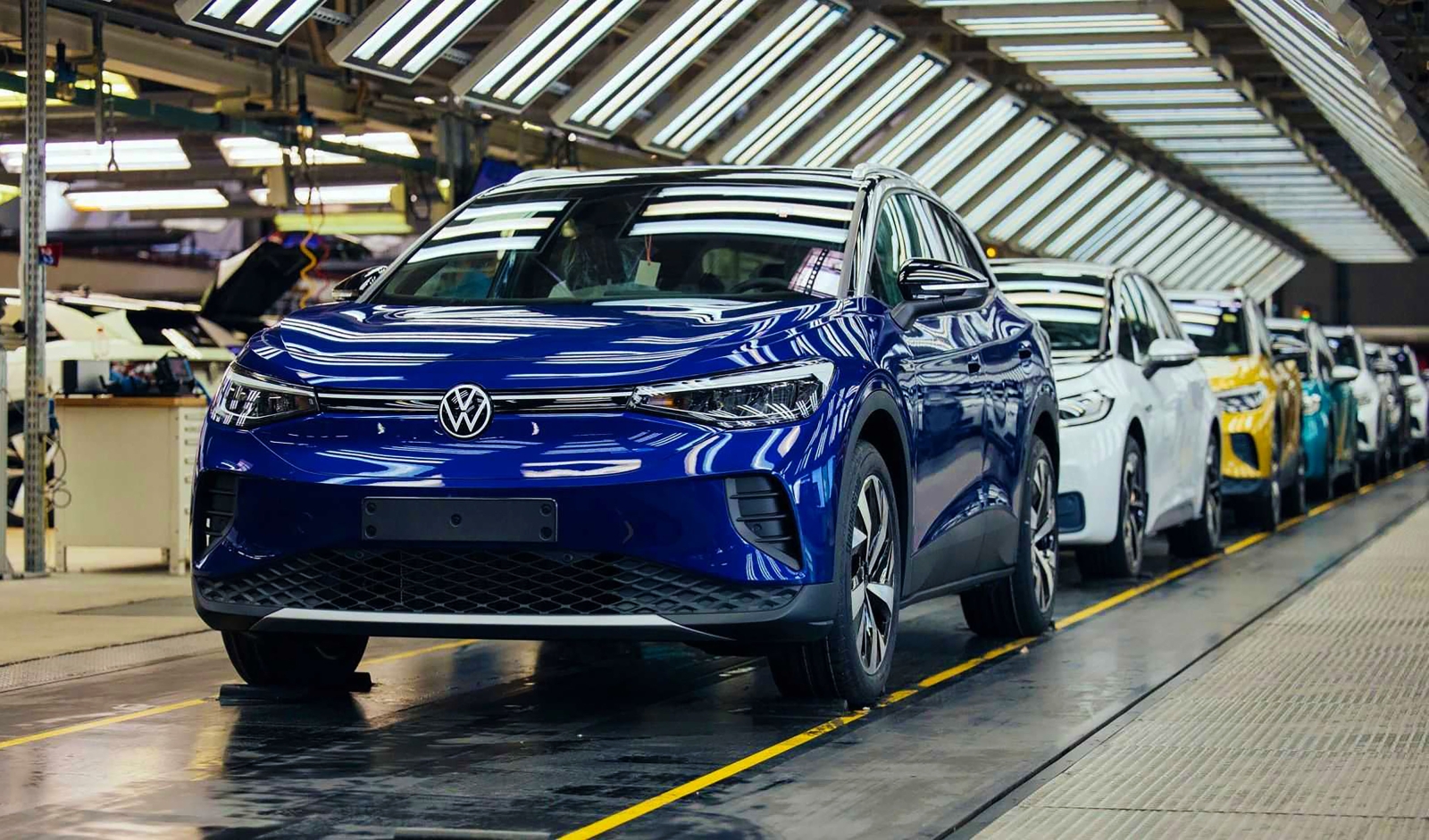
Tensions between Volkswagen Group management and employee representatives have escalated to a critical level, paving the way for the worst industrial dispute in the company's recent history. The German union has issued a firm ultimatum, warning that failure to renegotiate recent decisions will trigger large-scale union action early next year.
The union's ultimatum: Preparations for open strikes in January
The dispute over drastic cost-cutting measures has entered a tense phase, prompting union structures to react firmly to the management's decision to abolish a series of fundamental collective rights.
- Deadline: Employee representatives have asked management to reconsider the decision to cancel the wage agreements by the end of October.
- Risk of protest actions: If the company does not cancel these measures, the union warned that starting in January, with the expiration of the social peace obligation, it will move to open strikes of unprecedented proportions.
- Talks schedule: Although official negotiations were set to begin on November 24 at the Emden plant and continue on December 15 in Zwickau, the climate of trust was seriously affected by the company's decision to denounce ten internal agreements and freeze wage scales.
How did this critical situation come about?
The major difficulties facing the largest European automaker are not the result of a single factor, but of a complex overlap of economic pressures, structural changes and huge transition costs.
- The difficult transition to electric mobility: The massive investment efforts allocated to the development of new electric platforms and digitalization consumed considerable financial resources, at a time when the electric vehicle market experienced major fluctuations.
- Fierce competition from Chinese manufacturers: The international market, especially in Asia, is dominated by local competitors capable of offering electric vehicles at extremely aggressive prices, putting constant pressure on the profitability margins of European manufacturers.
- Tariff pressures and operating costs: Increasingly restrictive customs tariffs and high production costs in Germany have gradually eroded the competitiveness of the brand's traditional plants.
- Drastic restructuring measures: Faced with these financial challenges and a sharp decline in revenues, management opted for a radical plan aimed at saving tens of billions of euros, a plan that includes massive staff cuts, global wage freezes and the real risk of closing production units in Germany.
Prospects for a fragile compromise
While management claims that the measures are vital to ensure the company's long-term survival and competitiveness in an increasingly tough global market, unions believe that the cancellation of the agreements represents a serious breach of the commitments made.
The round of negotiations scheduled for the end of November will be decisive for the direction that the most important pillar of the European auto industry will take. If the parties fail to find common ground for compromise, Volkswagen could face a major operational crisis early next year.