Why did car production decrease in Romania, analysis of the causes and detailed figures for Mioveni and Craiova
The Romanian automotive industry is going through a phase of adjustment and moderation of the production pace, marked by a visible setback in the first three quarters of the year. According to official data centralized by ACAROM, the volumes produced by the country's two major plants – Dacia and Ford Otosan – were below the level recorded in the same period of the previous year, being influenced both by fluctuating European demand and by re-engineering and scheduled maintenance works on the production lines.
September evolution: Figures reported by the Mioveni and Craiova plants
Despite an economic climate marked by logistical challenges and the accelerated transition to new propulsion architectures, activity in Romanian factories remained at a significant level throughout the autumn month.
- September total: In the ninth month of the year, a total of 45,776 cars were produced in Romania.
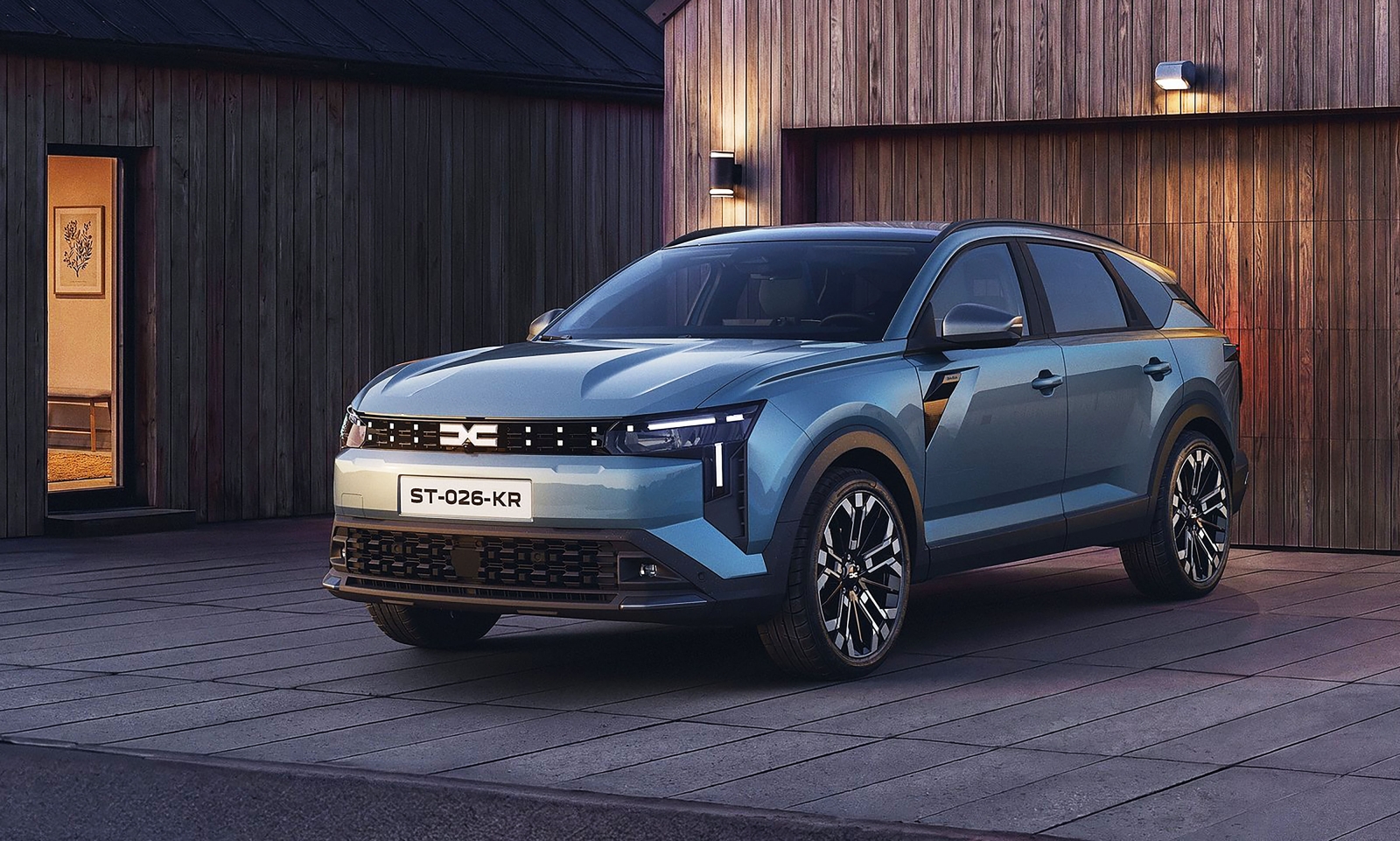
- Contribution of the Dacia plant: 23,355 units were manufactured at the Mioveni industrial platform, further supported by stable demand for the brand's established models.
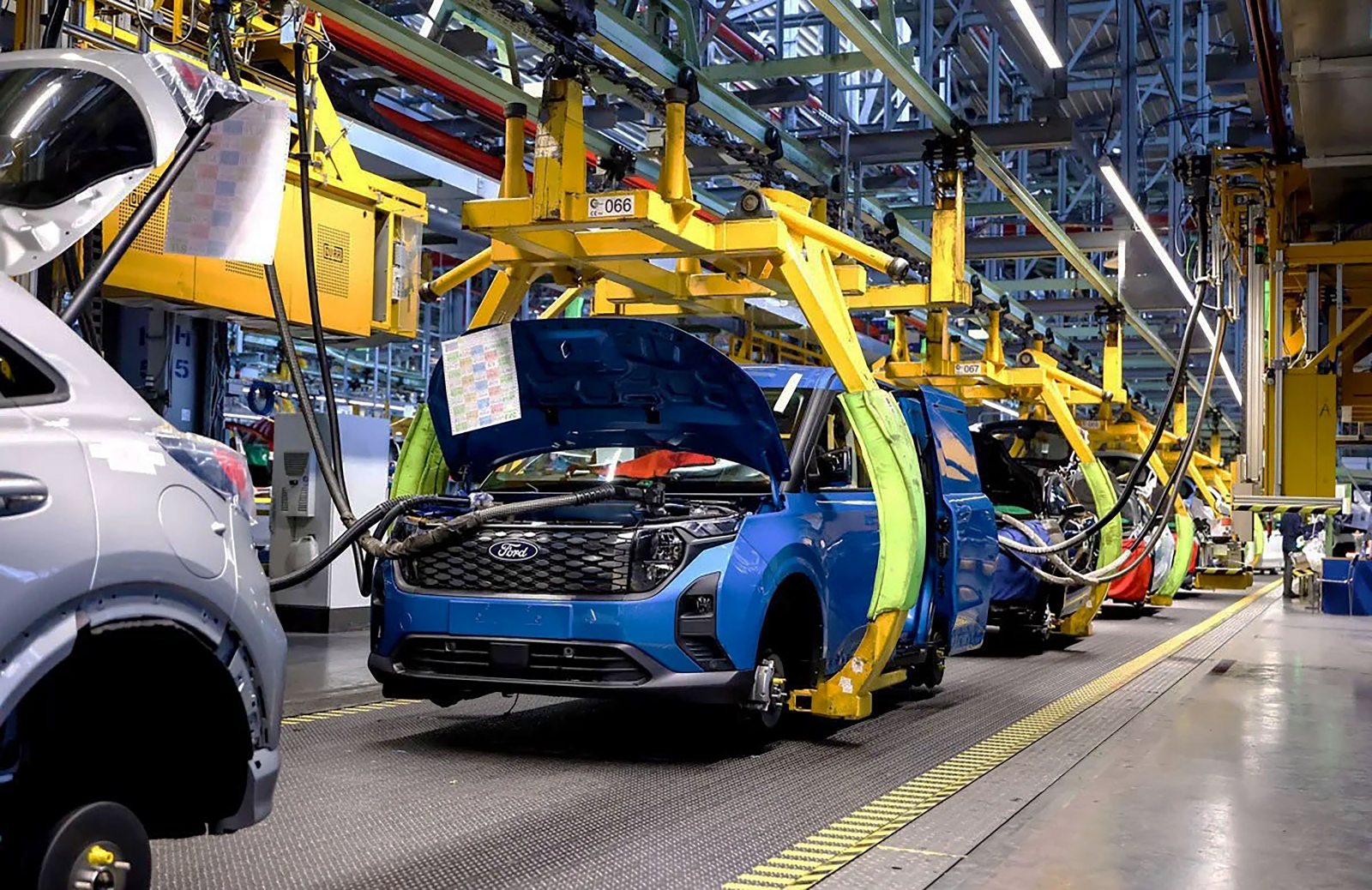
- Contribution of the Ford Otosan plant: The Craiova plant contributed with a volume of 22,421 vehicles, maintaining a production pace close to that of the Arges plant and confirming the essential role of the portfolio of locally produced commercial models and SUVs.
First 9 months results: A 10.9% decrease compared to last year
Looking at the first nine months of 2026 as a whole, statistical data reflects a general contraction in the total volume manufactured nationally.
- Cumulative volume: Between January and September 2026, total automobile production in Romania reached 355,715 units.
- Compared to 2025: This figure indicates a decrease of 10.9% compared to the same period last year, when domestic factories managed to produce almost 400,000 cars (approximately 399,199 units).
- The situation by manufacturer: The Dacia plant in Mioveni accumulated 182,558 cars during this period, while Ford Otosan manufactured 173,157 units in Craiova, both companies recording a slowdown in production compared to the previous year.
The main causes that led to the decrease in auto production
The decline in national production is not an isolated phenomenon, but the result of a combination of structural, logistical and commercial factors that have affected the European automotive sector in recent times.
- Scheduled maintenance and retrofitting: During the summer and into autumn, activity at the main plants was temporarily halted or reduced as planned. These breaks were necessary to implement extensive maintenance work and to prepare the assembly lines for the introduction of new model generations and electrified variants.
- Fluctuation in demand on foreign markets: European economies, the main destinations for Romanian auto exports, have gone through periods of uncertainty and a slowdown in demand for certain classic vehicle segments, with consumers cautiously turning to new technologies or postponing major purchases.
- The transition to ecological mobility: The profound changes in the automotive industry require manufacturers to constantly adapt volumes to the pace of adoption of electrified and hybrid cars, a process that inevitably generates small temporary syncopes in the volumes delivered to the factory gates.
Automotive market prospects and local industry adaptation
Despite the correction recorded in the first nine months, the Romanian automotive industry remains one of the fundamental pillars of the national economy and a leading exporter. The capacity of the Mioveni and Craiova plants to innovate, integrate new propulsion technologies (including hybrid and electric variants) and make their production lines more flexible will be decisive for the recovery of volumes in the coming period and for maintaining competitiveness on an extremely dynamic European market.