BMW iX3 and Zeekr 7GT open the era of new safety standards with maximum ratings at Euro NCAP 2026
Car safety in Europe is undergoing a profound transformation. Euro NCAP has radically changed its vehicle assessment methodology, replacing its old criteria with a tougher format, structured around the real phases of a road accident. The first electric models to face this new set of rules are the new BMW iX3 (built on the Neue Klasse architecture) and the Zeekr 7GT (an electric performance estate). Both managed to achieve the maximum 5-star rating.
What's changed? The 4 new Euro NCAP directions
Until 2025, assessments were divided into rigid categories: adult occupant protection, child protection, vulnerable road users and assistance systems. The new protocol reorganizes everything according to the dynamics of an accident:
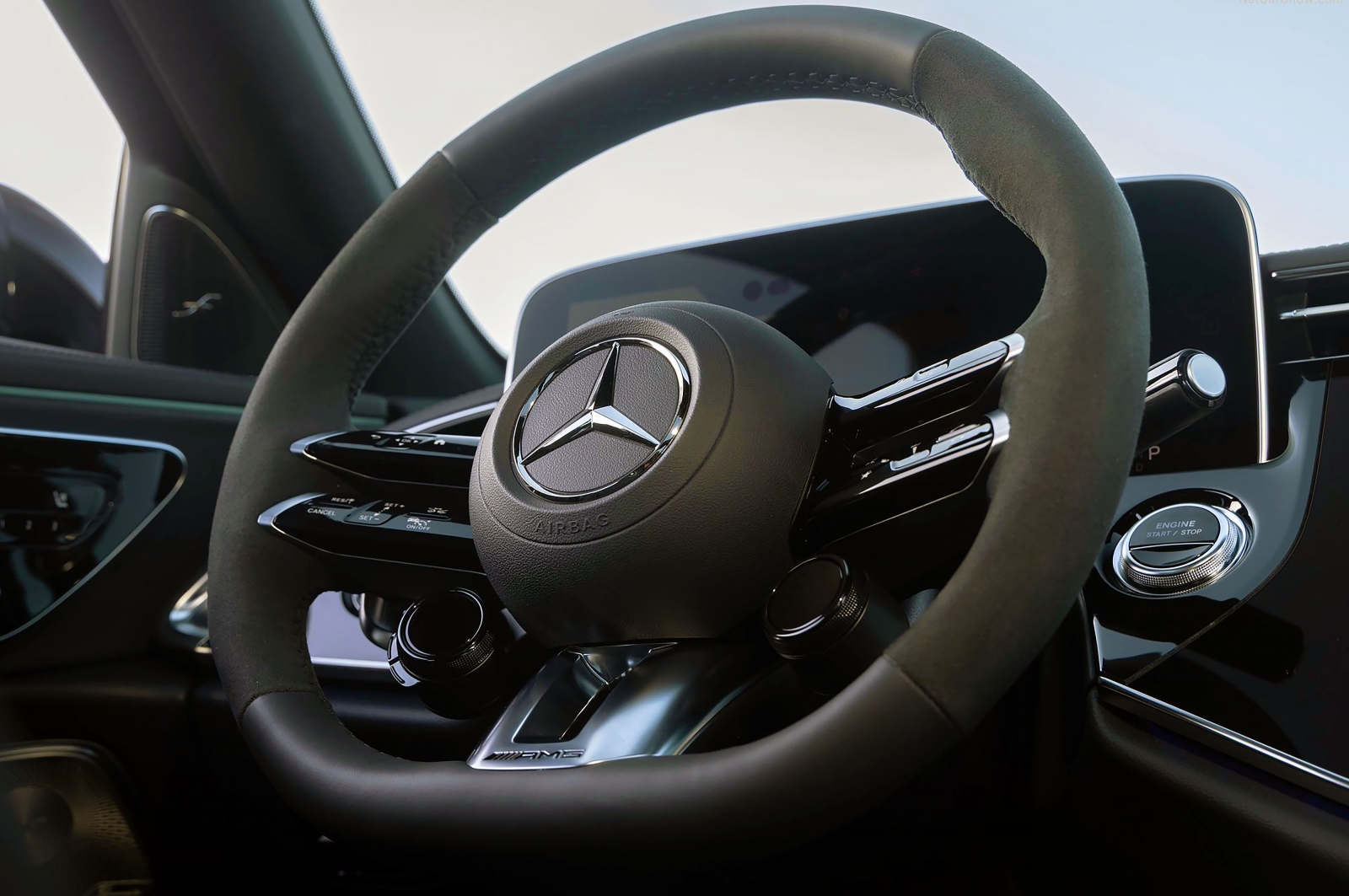
- Safe Driving: Monitors driver attention, engagement, and dashboard ergonomics. Special emphasis is placed on distracting screens and extra points are given for keeping physical buttons for essential functions.
- Crash Avoidance: Tests active systems (AEB, lane keeping, intersection collision prevention and cyclist door opening protection) in complex everyday traffic scenarios, including at night.
- Crash Protection: Measures the pure structural strength of the body, the effectiveness of airbags, and the protection provided to a diverse range of dummies, from children to adults of varying stature.
- Post-Crash Safety: A critical component for electric vehicles. It evaluates automatic high-voltage battery isolation to prevent fires, the operation of power door handles after impact, and the effectiveness of eCall systems to alert rescuers.
Performance Analysis: How They Got the 5 Stars
The detailed results show that manufacturers have already started to adapt their technologies to this year's much more stringent requirements.
BMW iX3 (Generation Neue Klasse)
The Bavarian impressed with the quality of the physical control systems and the energy isolation after impact:
- Safe Driving: 73% — Inspectors praised the presence of physical buttons for turn signals, hazard lights, horn, and lights, reducing distractions. The fatigue monitoring system was effective, but lost points for detecting short-term visual distractions.
- Accident avoidance: 83% — The autonomous emergency braking system exceeded minimum requirements, avoiding collisions with motorcycles and pedestrians at intersections.
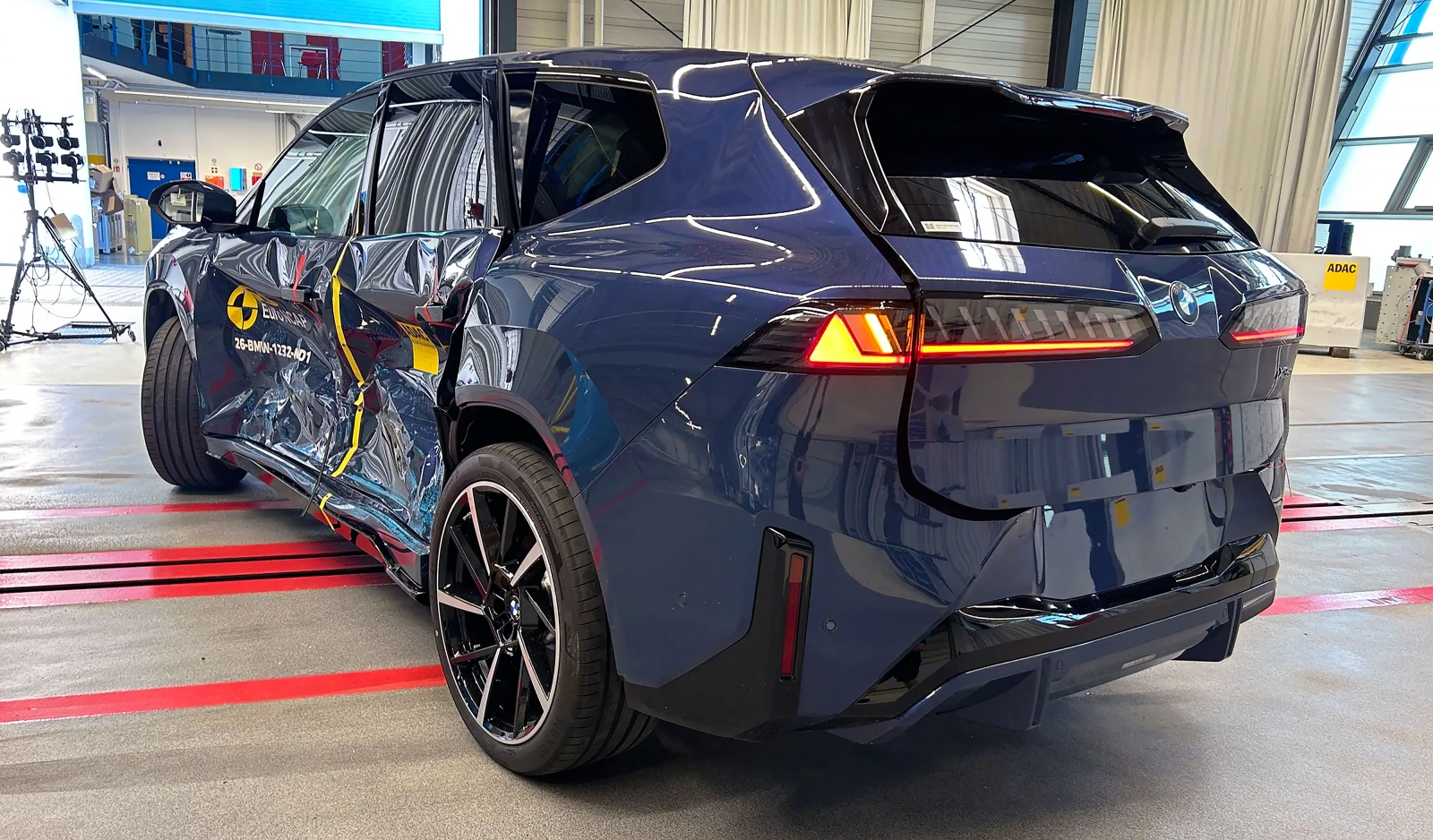
- Crash Protection: 86% — The structure did an excellent job of protecting passengers, with the standard center airbag preventing front occupants from hitting their heads. It lost a few points to a "marginal" rating for the driver's chest in the full-width frontal impact test.
- Post-crash: 95% — The electrical architecture perfectly isolated the battery immediately after impact. The electrically operated handles automatically extended, allowing the doors to open without jamming.
Zeekr 7GT
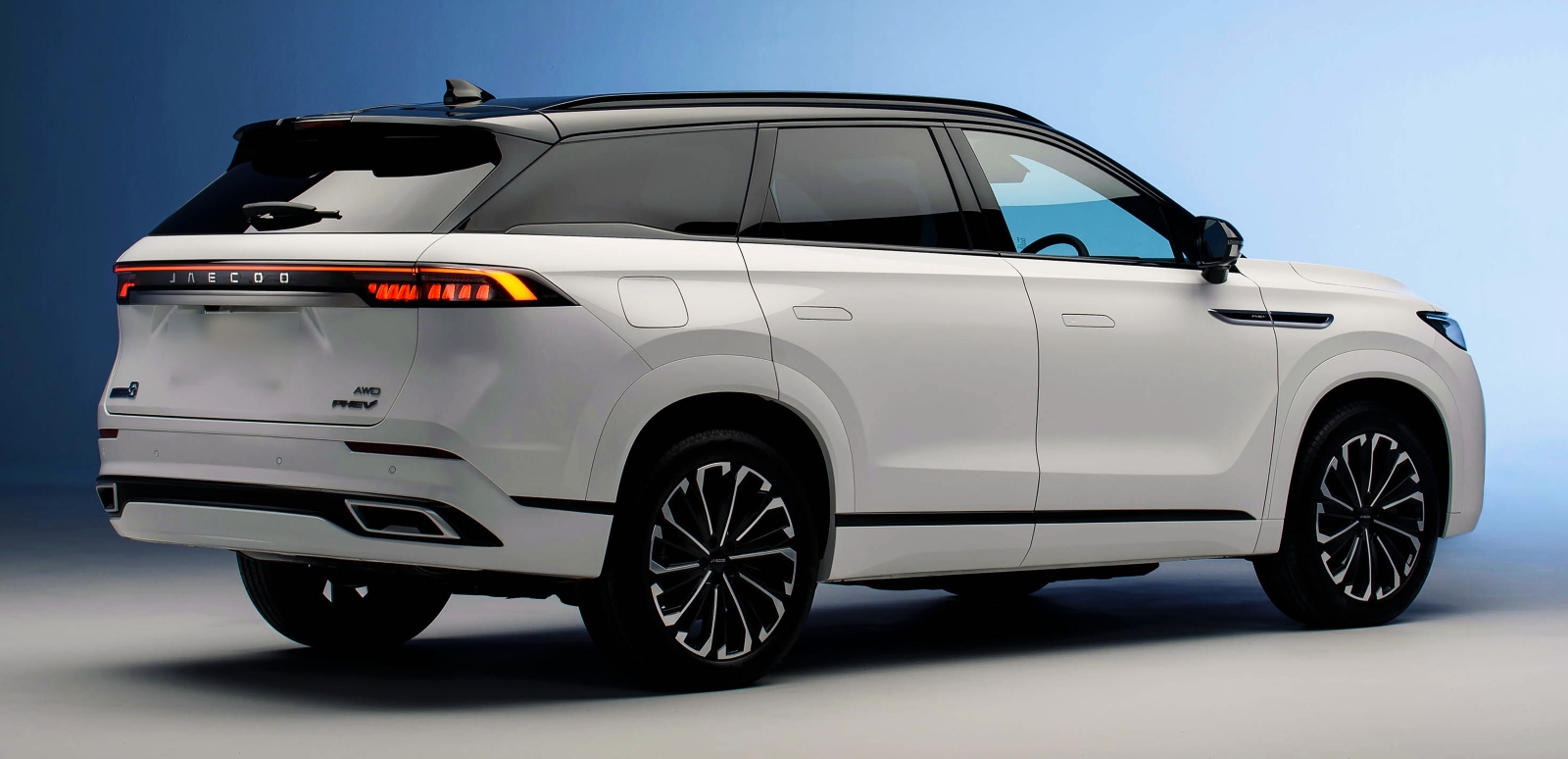
The Chinese model from the Geely group countered with an extremely robust software package and an excellent structure:
- Safe Driving: 79% — Received maximum scores for sensors that detect incorrect seat belt use and for the Child Presence Detection feature, which alerts passersby if a child is left in the car.
- Accident avoidance: 89% — Active assistance technology and cameras performed flawlessly in side collision avoidance and lane keeping scenarios at high speeds.
- Crash Protection: 93% — Top score in side barrier and pole impact tests. Virtual modeling and sled tests demonstrated remarkable structural adaptability for passengers of all weights and heights.
- Post-accident: 95% — Like the German model, it perfectly managed the disconnection of high-voltage energy and automatic unlocking of the locks.
Prices and availability on the Romanian market
The two models address premium segments, but come with completely different pricing strategies.
The BMW iX3 was recently named "Electric Car of the Year 2026 in Romania" at the gala organized by AutoExpert Media and the Ministry of Environment. The new generation BMW iX3 50 xDrive model starts on the local market at a base price of approximately EUR 71,950. Depending on the selected option packages, the well-equipped versions delivered to customers in Romania quickly reach EUR 82,500.
On the other hand, the premium brand Zeekr is entering the European and Romanian markets with an extremely competitive pricing policy in relation to its performance. The Zeekr 7GT sports estate has a starting price in Europe of EUR 45,990 for the basic Business Edition RWD version (75 kWh battery, 519 km WLTP range). The Long Range extended range version costs around EUR 50,990, while the top variant, the Zeekr 7GT Privilege AWD (the one tested by Euro NCAP, equipped with 646 HP and 100 kWh battery), is listed at around EUR 57,490. In Romania, final prices may vary slightly depending on local homologation fees and official distribution channels, but the car remains a considerably more affordable alternative to the German competition in the segment.
Both vehicles demonstrate that achieving maximum safety is no longer dictated solely by the controlled deformation of the sheet metal, but by how electronics and software systems work together to protect the lives of passengers before, during and after an impact.