Tesla, Under Tension: Musk's Giant Starts 2026 with a "Short Circuit" in the Delivery Chapter
Tesla has started 2026 in doubt, reporting its weakest quarterly delivery figures in a year. While it managed to temporarily overtake Chinese rival BYD, the company is facing a mountain of unsold inventory and a clear cold shoulder from Wall Street investors.
A Quarter with the “Handbrake” Pulled
The giant led by Elon Musk reported the delivery of 358,023 vehicles in the first three months of 2026. Although the figure represents a modest increase of 6.3% compared to the same period last year, the result is considered a failure compared to analysts' expectations, who were betting on at least 368,903 units.
The impact on the stock market was immediate: Tesla shares fell more than 4%, deepening a slump of about 15-20% since the beginning of the year. Investors seem increasingly skeptical about the company's ability to maintain its growth momentum, especially since the main sales driver — the US $ 7,500 federal subsidy — officially stopped at the end of September 2025.
The Production Paradox: Many Machines, Few Buyers
The most alarming number in Tesla's earnings report isn't deliveries, but production. The company assembled 408,386 vehicles, resulting in a massive backlog of more than 50,000 units sitting in the parking lot. That's the largest supply-demand imbalance in four years, signaling that Tesla is no longer "selling itself."
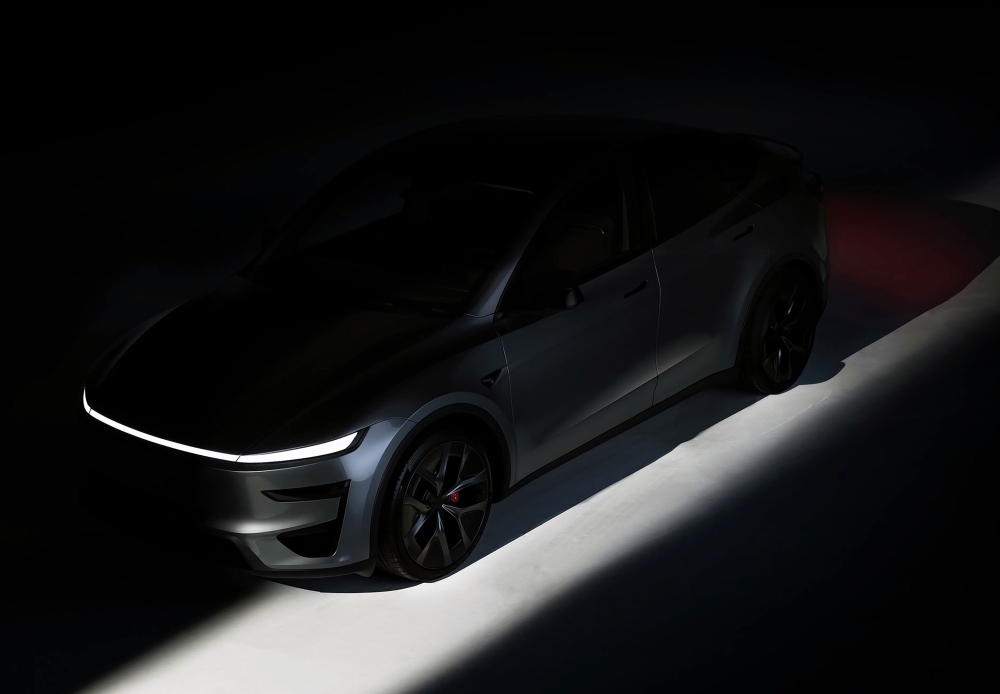
While the volume models, Model 3 and Model Y, continue to carry the weight (representing over 340,000 of the deliveries), the premium range seems to be dead. Production for the Model S and Model X has been halted, the assembly lines in Fremont being redirected to Musk's soul projects: the humanoid robot Optimus and the autonomous taxi Cybercab.
"Tesla is in an identity crisis: does it want to be a mass-market automaker or a robotics and AI company? Right now, the bills are being paid by the cars, but the cars are starting to gather dust in warehouses," auto analysts note.
Romania: Pump Shock Pushes Drivers to Electric
Surprisingly, while Tesla is gasping globally, in Romania the appetite for electric cars exploded at the beginning of 2026, fueled by a brutal economic context.
- The "10 lei per liter" effect: The increase in fuel prices to the psychological threshold of 10 lei/liter in March 2026 caused a record migration. Electric car registrations in Romania increased by a staggering 152% in March compared to the previous year.
- Rabla Plus 2026: The government program remains a central pillar, continuing to offer generous subsidies (approx. 10,000 euros), which makes the price of a Model 3 remain competitive against new Dacia models (such as the new Bigster) or European rivals from Skoda and Volkswagen.
- Local Market: APIA estimates that in 2026 approximately 110,000 electric and hybrid vehicles will be registered in Romania, an increase of 28% compared to 2025.
Although Tesla remains a prestigious choice for Romanians, competition is becoming fierce. Low-cost Chinese models and the offensive of traditional brands (which now come with ranges of over 600-800 km) are starting to "bite" away from the American market share, also locally.
Conclusion: A Year of “All or Nothing”
For Elon Musk, 2026 is shaping up to be the year he must prove that his bets on the Cybertruck (which has seen a 111% increase in deliveries but remains a niche product) and artificial intelligence can offset the slowdown in the traditional auto market. Until then, however, investors seem to prefer the certainty of sales figures to the promises of an autonomous future.