Revival in Stuttgart: Porsche puts the "brake" on total electrification and bets on the survival of internal combustion engines
In a turnaround that will delight purists and temper the enthusiasm of the forced green transition, Porsche officially confirms: the unmistakable sound of the pistons will continue to echo on the roads after the psychological threshold of 2030. The "80% electric" strategy, announced with fanfare four years ago, has been recalibrated in the face of an inescapable economic reality.
A dose of realism in the megawatt era
Until recently, Porsche’s future seemed to be one of silence. The original plan was ambitious: eight out of ten cars sold globally were to be electric by the end of this decade. But starting in 2024, the car market was given a severe “reality check.” Demand for electric vehicles (EVs) began to stagnate in key markets such as China and Europe, due to poor charging infrastructure and customer reluctance to pay the premium prices of battery-powered models.
The result? Porsche management has decided to adopt a multi-technology strategy. Instead of forcing the switch to batteries, the German brand will invest heavily in optimizing internal combustion engines and hybrid systems, giving customers the freedom to choose their preferred "fuel".
Ralf Keller: "Internal combustion engines will be with us for a long time"
The official confirmation came recently from Ralf Keller, the head of product for the Cayenne. In an interview with Auto Express, he clarified that Porsche is in no hurry to scrap the technology that has made the brand famous.
"We plan to have these internal combustion engines and hybrids for a long time into the next decade. Our strategy is flexible and adapts to market demand," said Keller.
PPC Architecture: The Rescue Comes from "Premium Platform Combustion"
The cornerstone of this “resistance” is the PPC (Premium Platform Combustion), developed in collaboration with Audi. This advanced architecture allows the integration of cutting-edge technologies to reduce emissions without sacrificing raw performance.
What does this mean for the range?
- Cayenne: The flagship model will be the central pillar of this strategy. The next generation of the thermal SUV is expected by 2029 and will coexist in showrooms with the fully electric version.
- Aggressive hybridization: Porsche is not just keeping classic engines, but is also intelligently “electrifying” them. Plug-in hybrid systems will become the norm, offering a smoother transition to green mobility.
- E-fuels: Porsche remains one of the biggest supporters of synthetic fuels, investing heavily in factories (like the one in Chile) to allow combustion engines to operate with net zero carbon emissions.
Table: The paradigm shift at Porsche
| Feature | Old Plan (2020) | New Strategy (2024-2030+) |
| EV Sales Target | 80% by 2030 | Flexible (market-driven) |
| Future of Cayenne | Rapid transition to EV | Coexistence (EV + ICE/Hybrid) |
| Platform Focus | Pure PPE (Electric) | Dual: PPE (Electric) & PPC (Combustion) |
| Philosophy | Forced electrification | "Power of Choice" for the customer |
Conclusion: The Porsche soul still needs gas
This strategic move is a clear signal that the automotive industry is going through a period of introspection. Porsche has understood that in order to remain profitable and relevant, it cannot ignore the wishes of its traditional customers.
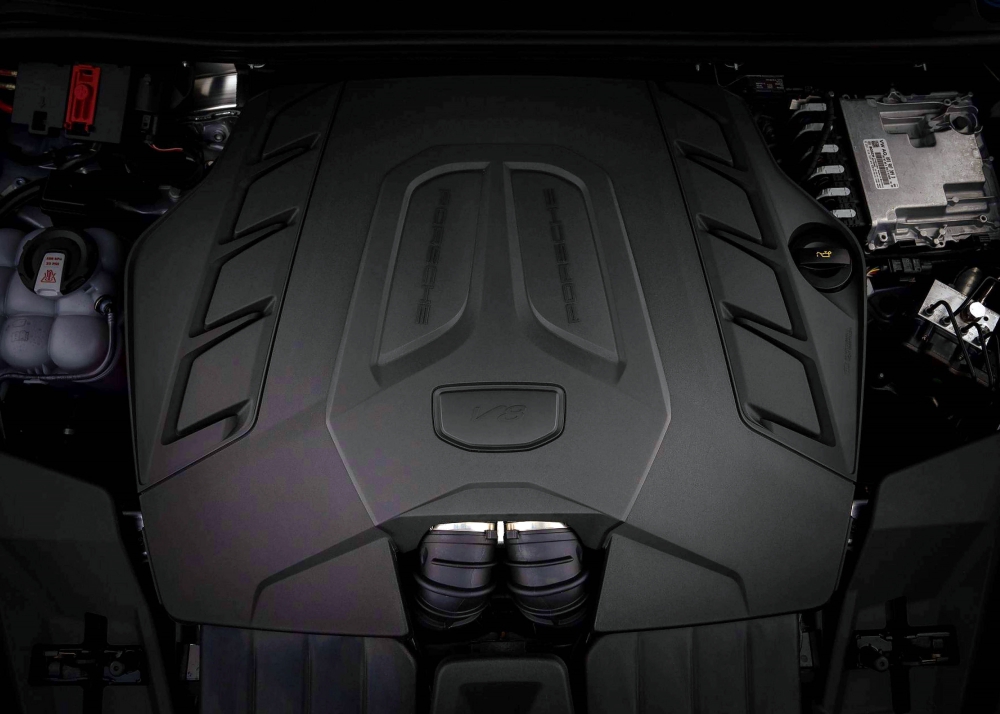
While the Taycan and the new Macan EV are technological marvels, they can’t completely replace the thrill of a V8 or the iconic flat-six. Until the world is truly ready for a plug in every parking lot, Porsche will continue to burn gas in style, proving that innovation doesn’t always mean abandoning the past, but adapting it to the rigors of the future.
Do you think this decision by Porsche will influence other luxury manufacturers to review their electrification plans?