Mercedes-Benz tests new lithium-ceramic batteries from ProLogium and Factorial Energy
The transition to electric vehicles is entering a new stage of maturity, and solid-state batteries are considered the decisive link in overcoming the technological limits of conventional lithium-ion batteries. For more than a decade, German automaker Mercedes-Benz has been working closely with Taiwanese company ProLogium to develop and integrate this cutting-edge technology into the automotive industry.
The strategic partnership between the two companies has been strengthened by the signing of a new testing agreement, giving Mercedes-Benz priority access to the evaluation of fourth-generation (Gen4) lithium-ceramic cells. These lithium-ceramic cells could redefine the standards of autonomy, safety and thermal efficiency of production vehicles in the coming period.
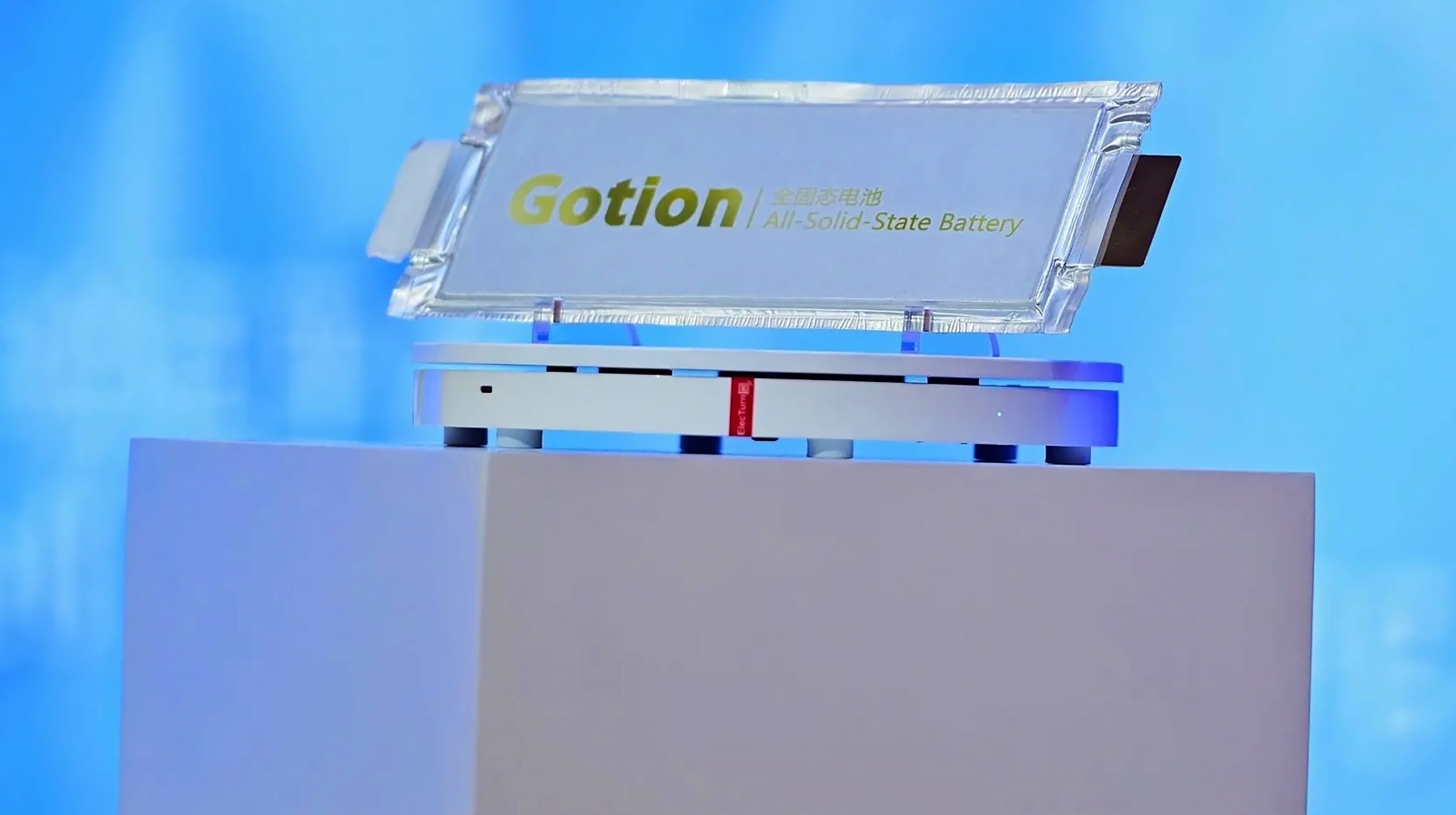
The fundamental change brought about by solid-state batteries is the replacement of the flammable liquid electrolyte with a solid, inorganic medium. This change eliminates major fire risks while offering significantly higher energy density, much faster charging cycles, and extended battery pack life.
ProLogium Gen4 Technology: Performance, Ceramic Safety, and Ultra-Fast Charging
ProLogium’s Gen4 battery cells utilize an advanced ceramic separator architecture and a non-flammable inorganic electrolyte, complemented by a patented active safety system. This configuration enables specific energy densities of up to 400 Wh/kg while maintaining high structural stability even under extreme temperature conditions.
As part of the agreement, Mercedes-Benz will subject the lithium-ceramic cells to a comprehensive battery of electrical, thermal and mechanical safety tests. The evaluations will take place both in the automaker's own research centers and at independent testing institutes. The aim is to validate performance under real-world driving conditions, where factors such as vibrations, repeated rapid charging cycles and environmental variations put the batteries to the test.
The declared performance of the Gen4 platform indicates not only a high level of intrinsic safety, but also the ability to provide high output power and the possibility of ultra-fast charging (from 5% to 80% in just a few minutes).
From the lab to the assembly line: Industrial-scale production in Taiwan and Europe
One of the biggest obstacles to mass adoption of solid-state batteries has been industrial scalability. ProLogium has already made significant strides in this direction, validating gigafactory-level production at its Taoke facility in Taiwan.
To ensure a localized supply network for the European market, ProLogium is preparing to build a large-scale plant in Dunkirk, France. This gigafactory is designed to reach a total production capacity of up to 44 GWh. The first phase of the project aims to reach an annual capacity of 4 GWh by 2030, enabling the delivery of commercial-scale cells to European automakers, led by Mercedes-Benz.
Locating production on the European continent reduces dependence on global supply chains and provides premium automakers in the region with a stable source of advanced batteries.
A diversified ecosystem: The parallel partnership with Factorial Energy
Mercedes-Benz's strategy for developing solid-state technology is not based on a single supplier. In parallel with the partnership with ProLogium, the German manufacturer is also actively collaborating with the American company Factorial Energy, which specializes in lithium-metal cells.
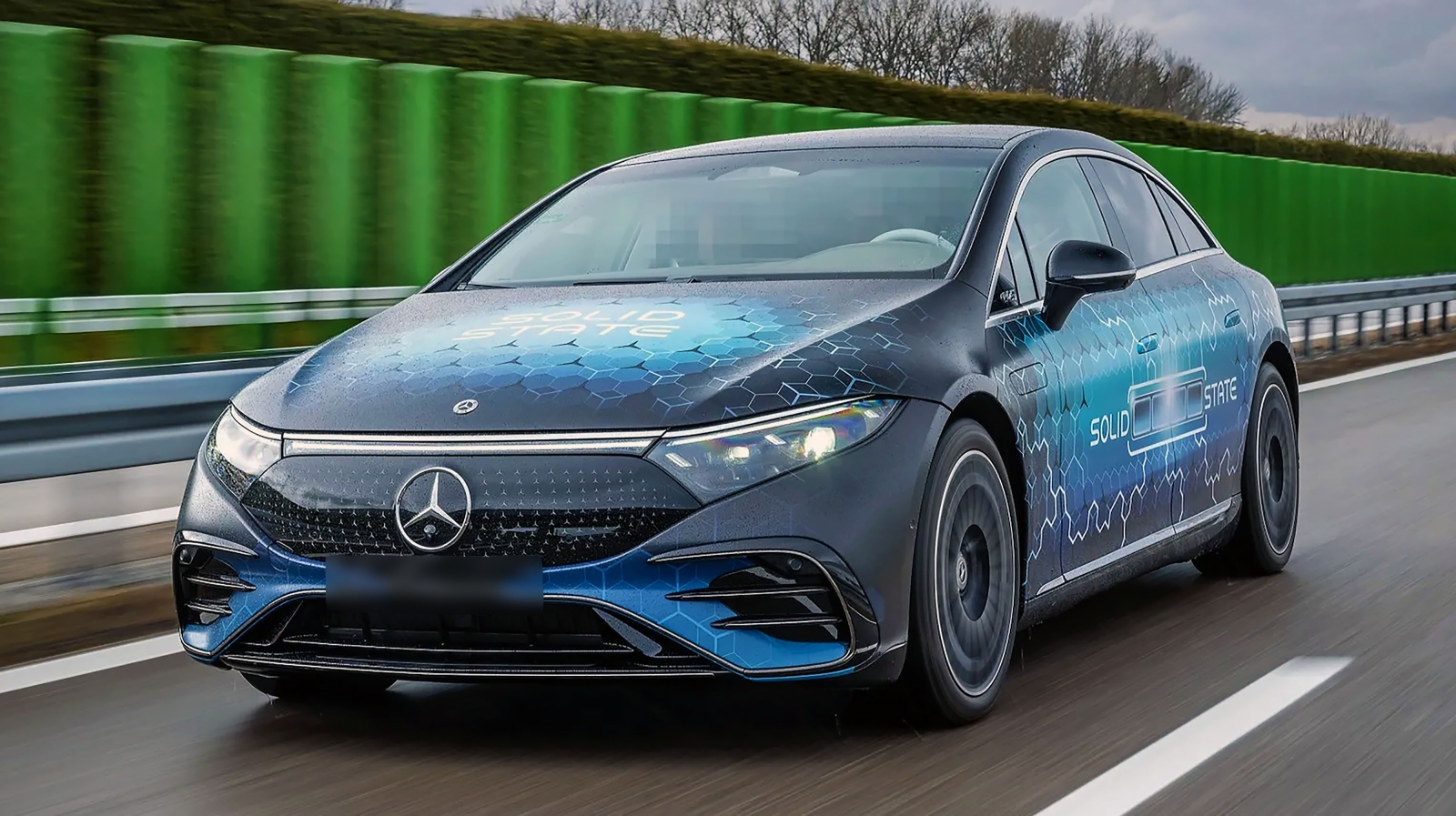
Tests on public roads with prototypes equipped with Factorial batteries have already demonstrated the enormous potential of this direction. A test vehicle based on the EQS model was able to cover over 1,200 kilometers on a single charge, while maintaining the dimensions and weight of the battery pack identical to those of the conventional production version.
By diversifying technological partnerships and supporting tests on fourth-generation cells, Mercedes-Benz is preparing its transition to safer, lighter and longer-range electric vehicles, paving the way for the integration of the first such solutions on production models.