The Paradox of Modernity: Why do new technologies make cars less reliable?
In an era where vehicles are more like computers on wheels than simple mechanisms for moving, the auto industry is facing an uncomfortable reality: technological progress is not synonymous with durability. The latest reliability study published by the Americans at JD Power is sounding a serious alarm bell for manufacturers and consumers alike.
While we've come to expect efficiency to be the norm, data collected from more than 33,000 car owners (models 2023, after three years of use) indicates a decline in perceived quality. The industry average has climbed to 204 problems per 100 vehicles, confirming the idea that the more "smart" a car is, the more likely it is to let you down—or at least annoy you.
Infotainment: "Achilles' Heel" in 2026
If in the past a driver's main concern was rust or the gearbox, today the nightmare starts on board. Multimedia systems are, statistically, the biggest source of stress, generating almost 57 complaints per 100 vehicles.
- Connectivity: Apple CarPlay and Android Auto remain unstable.
- Failed innovations: Inductive charging and Bluetooth connections continue to give errors.
- Over-the-Air (OTA) Updates: Although they're touted as a magic bullet for "fixing" your car remotely, only 27% of users have seen any real improvement from them. The rest? An unchanged experience or, worse, new software bugs.
The myth of flawless electrification
The study also debunks the idea that electrified cars, being mechanically simpler (in the case of 100% electric ones), would be more reliable. The reality on the ground shows exactly the opposite:
| Powertrain Type | Problems per 100 Vehicles (PP100) | Year-over-Year Trend |
| Gasoline (ICE) | 198 | Most Reliable |
| Hybrid (HEV) | 213 | Increasing (+14) |
| Electric (BEV) | 237 | Increasing (+14) |
| Plug-in Hybrid (PHEV) | 281 | Most Problematic (+39) |
The complexity of Plug-in Hybrid systems, which must harmoniously manage two completely different worlds (the internal combustion engine and the electric one with a large battery), makes them the most vulnerable vehicles on the market to failures.
Quality Podium: Japan vs. Rest of the World
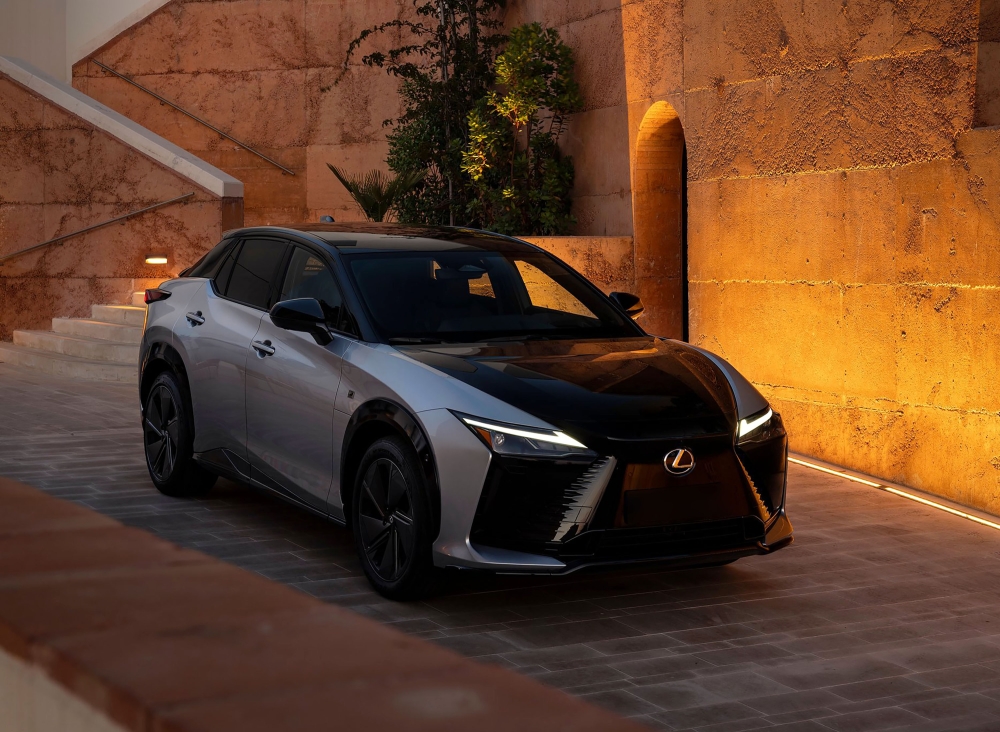
In this ocean of technological uncertainty, Lexus remains the beacon of reliability. With just 151 reported issues, Toyota's luxury division maintains its crown, proving that luxury can be rugged.
Top 3 Reliability:
- Lexus (151 points)
- Buick (160 points)
- Mini (168 points)
At the opposite end, European brands with huge prestige, such as Volvo and Volkswagen, close the ranking, being severely penalized precisely for the excessive complexity of on-board systems and new engines. It is a moment of introspection for the German and Swedish giants, who seem to have lost the bet on functional simplicity.
The "car of the year" is no longer the one that reaches one hundred kilometers the fastest, but the one that manages to keep all its screens and sensors functional after the first three years of life.
Individual Champions
If you're looking for a car that won't visit the service station except for maintenance, the Lexus IS was named the most reliable individual car. Other honorable mentions that pay tribute to pragmatic engineering include the Honda Civic, Kia Forte, and Toyota Camry.
The bottom line? More pixels on the dashboard doesn't necessarily mean a quieter ride. In 2026, reliability has become the new luxury.
| Rank | Brand | Problems per 100 Vehicles (PP100) |
| 1 | Lexus | 151 |
| 2 | Buick | 160 |
| 3 | Mini | 168 |
| 4 | Cadillac | 175 |
| 5 | Chevrolet | 178 |
| 6 | Subaru | 181 |
| 7 | Porsche | 182 |
| 8 | Toyota | 185 |
| 9 | Kia | 193 |
| 10 | Nissan | 194 |
| 11 | BMW | 198 |
| 12 | Hyundai | 198 |
| 13 | Industry Average | 204 |
| 14 | Genesis | 208 |
| 15 | Mitsubishi | 208 |
| 16 | Mazda | 210 |
| 17 | Honda | 211 |
| 18 | Ram | 216 |
| 19 | Lincoln | 217 |
| 20 | Ford | 228 |