EU abandons 2035 ban on combustion engines: how auto policy evolves
The news the entire automotive industry had been waiting for became official in December 2025: the European Union backed down. The ambitious but highly controversial plan to completely ban the sale of new cars with combustion engines from 2035 was abandoned in favor of a pragmatic approach.
The decision marks a historic victory for traditional automakers and for the states that supported "technological neutrality", including Romania.
Why did the EU back down?
The reality on the ground has defeated the optimistic projections from Brussels. Several factors have forced this change of direction:
- Electric car sales have plateaued: After an initial surge, demand for 100% electric cars has slowed considerably, with consumers discouraged by high prices and the still deficient charging infrastructure.
- Pressure from auto giants: Manufacturers such as Volkswagen, BMW and Renault have warned that a forced switch to electric could lead to massive job losses and the closure of historic factories.
- Synthetic fuel lobby: Germany and Italy have led the offensive for the recognition of e-fuels as a carbon-neutral alternative that allows the internal combustion engine to be retained.
The new target: Reduction, not prohibition
Instead of "banned", the new watchword is "flexibility". The EU no longer demands the elimination of the internal combustion engine, but imposes a new set of rules:
- 90% emission reduction: The 2035 target has been recalibrated to a 90% reduction in CO2 emissions compared to 2021 levels (instead of 100%).
- Survival of hybrids: Hybrid vehicles (HEV), plug-in hybrid vehicles (PHEV) and extended-range vehicles (REEV) will be able to be sold without restrictions after 2035.
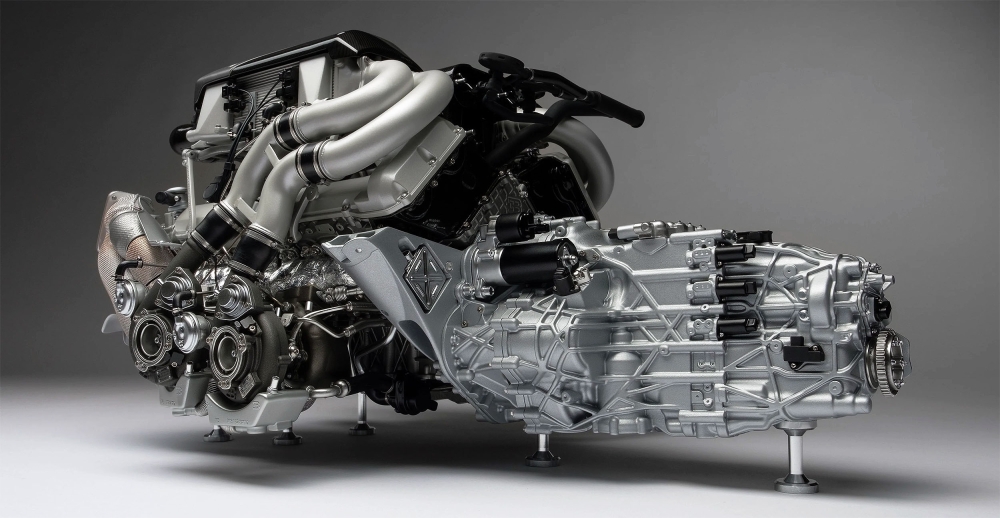
- E-Fuels Requirement: To meet the remaining 10% margin, new combustion cars sold after 2035 will most likely have to use exclusively synthetic fuels or biofuels.
What does this mean for Romania?
For Romania, this decision is a "breath of fresh air" for both the economy and the average driver.
1. Saving the local industry (Dacia and Ford)
The Mioveni and Craiova plants are pillars of the national economy. A total ban in 2035 would have put immense pressure on the transformation of production lines. Now, hybrid models — which are already successful (such as the Dacia Jogger or Duster Hybrid) — can remain in production much longer, ensuring job stability.
2. A transition adapted to purchasing power
The Romanian car market showed a clear preference for hybrids in 2025. Although electric vehicle registrations have increased, Romanians remain skeptical of pure electric cars due to the purchase price and long distances between cities. Keeping internal combustion engines (even electrically assisted) in showrooms after 2035 means that mobility will remain accessible to a wider category of citizens.
3. Infrastructure and fuels of the future
Romania now has time to develop not only its electric charging network, but also its production potential for biofuels, with a strong agricultural sector that could provide the raw material needed for new "green" fuels.
Conclusion: The EU decision of December 2025 recognizes that the road to "Zero Emissions" is not a one-lane road. The internal combustion engine is not dying, but reinventing itself. For Romania, this compromise means less economic uncertainty and more options when buying a new car.