The Great Handover: China Dethrones Japan and Becomes the New World Auto Leader
After a quarter of a century in which the "Land of the Rising Sun" dictated the pace on the planet's roads, the auto industry is going through a historic moment. According to the latest data analyzed by the Nikkei publication and the research platform MarkLines, the year 2025 officially marked the end of an era: China became the world's largest vehicle seller, overtaking Japan for the first time after 24 years of uninterrupted dominance.
The numbers of a historic victory
Beijing's rise is not just a matter of perception, but one of raw volume. In 2025, Chinese builders achieved a feat that seemed unimaginable at the turn of the millennium:
- China: 27 million new vehicles sold globally.
- Japan: 25 million new vehicles sold globally.
It is the first time since 2000 that Japan has lost the top spot in this ranking. While two decades ago Chinese brands were viewed with skepticism, being associated with low-cost replicas, today they define the standards in terms of technology, electrification and software.
Who are the "Giants" who changed the rules of the game?
We are no longer just talking about collective success, but about individual brands that "hit" directly at the heart of the automotive establishment in Europe and Japan.
BYD: Beyond Ford
The most spectacular rise belongs to the BYD group. Last year, the giant specializing in electric and hybrid vehicles sold over 4.6 million cars, managing to surpass Ford in the global ranking. BYD now occupies the 6th place globally, being one step away from entering the "square of aces" of the industry.
Geely vs. Honda
Geely (owner of Volvo and Zeekr) was no slouch either. The company climbed to 8th place in the world, overtaking a sacred name for Japanese reliability: Honda. Geely's strategy of mixing European design with Chinese manufacturing efficiency has proven to be a winning recipe for international markets.
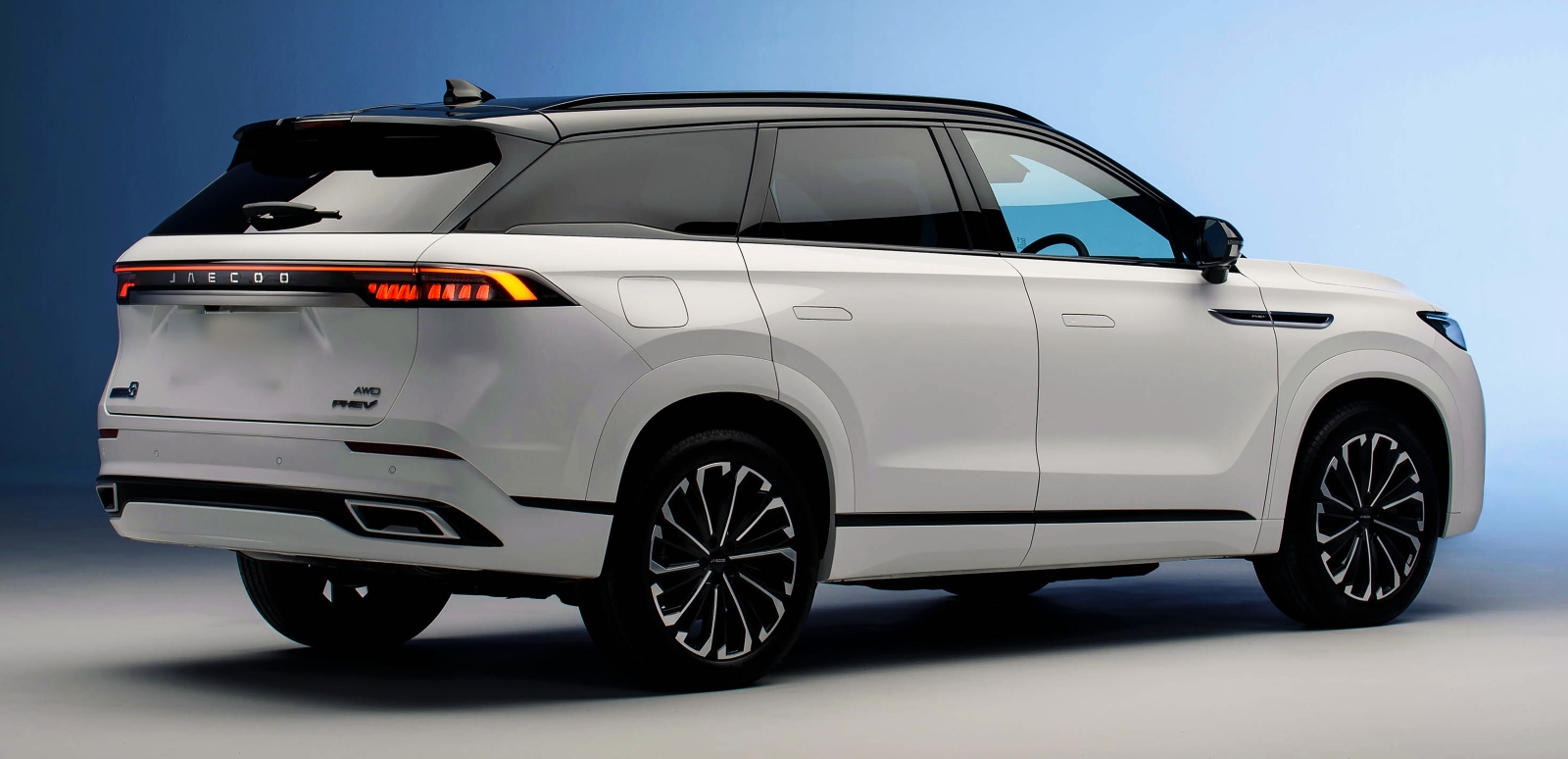
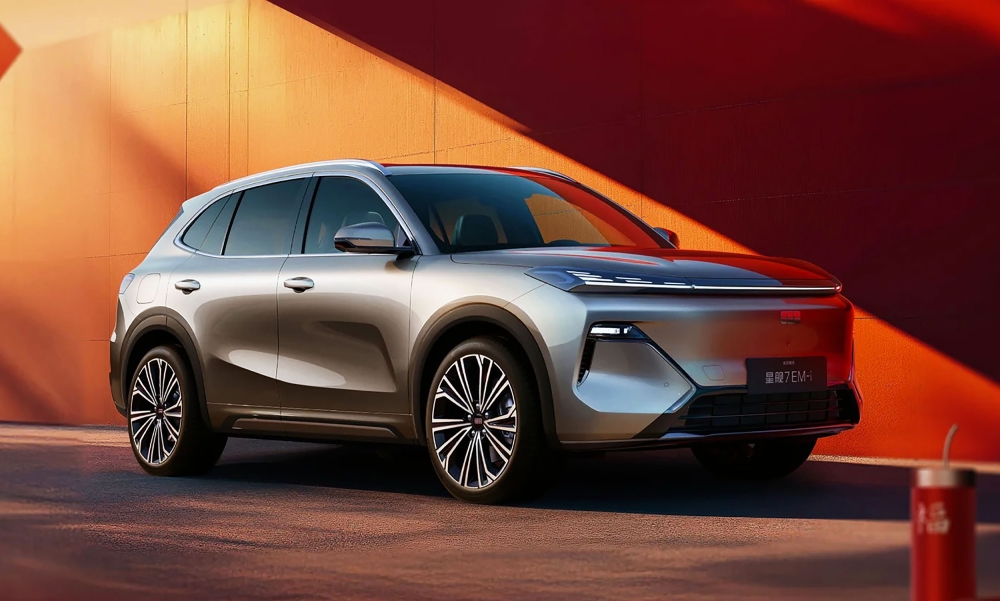
Did you know? Currently, 6 of the top 20 places in the world sales rankings are occupied by Chinese brands: BYD, Geely, Chery, Changan, SAIC and Great Wall.
Why did Japan lose its lead?
Specialists agree that this "transfer of power" is based on three main pillars:
- The Electric Revolution: While Japanese manufacturers (especially Toyota and Honda) have long relied on hybrids and have been cautious about full electrification, China has invested heavily in batteries and EV infrastructure.
- Vertical Integration: Companies like BYD produce their own batteries and microchips, making them much more resilient to supply chain crises.
- Aggressive Expansion: China is no longer relying solely on its domestic market. Exports to Southeast Asia, Latin America, and Europe have exploded, reaching a record 7 million units exported in 2025.
What's next?
If 2025 was the year of confirmation, 2026 is shaping up to be the year of consolidation. Established manufacturers in the West and Japan are now forced to accelerate the transition to electric and rethink their cost structures to compete with Beijing's competitive prices.
It's clear: the road to the future no longer just passes through Tokyo or Detroit, but now has a mandatory stop in Shenzhen and Shanghai.