Dacia Mioveni and Ford Otosan Craiova, official data on car production in Romania
The Romanian automotive market is going through a period of profound adjustment, most recently reflected in the official statistics published by the Romanian Automobile Manufacturers Association (ACAROM). The data for the first ten months of the year indicate a visible contraction of the volumes produced at national level, influenced by the European economic climate and changes in consumer preferences. In this challenging landscape, the domestic industrial balance recorded an absolute historical moment: for the first time in recent history, the Ford Otosan plant in Craiova surpassed that of the Dacia manufacturer in Mioveni in a single month of production.
A historic first in October: Ford Otosan surpasses Dacia in a single month
October brought an unprecedented upheaval in the traditional hierarchy of Romanian car factories, temporarily reconfiguring the internal dynamics of car production.
- October figures: In the second month of autumn, a total of 42,346 cars were produced nationwide.
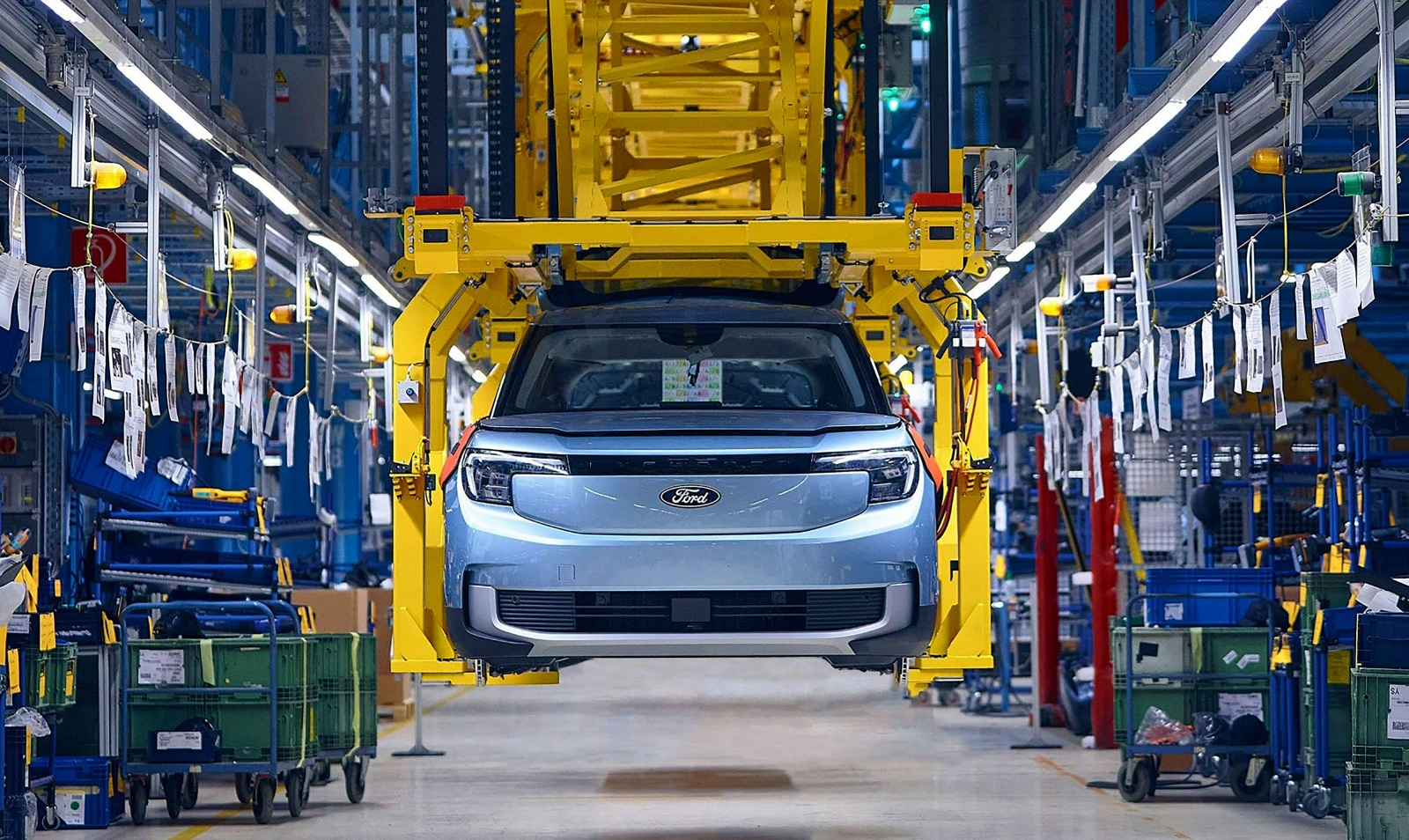
- Change of leadership: For the first time in a very long time, the volume produced at the Ford Otosan plant in Craiova surpassed that reported by the national manufacturer in Mioveni. Specifically, the plant in B?nie manufactured 21,973 vehicles, while the industrial platform in Mioveni stopped at 20,373 units in the same period. This performance highlights the increased flexibility of the Craiova lines and the accelerated pace of assembly for the new generations of locally produced utility and passenger cars.
The balance of the first ten months: A 12.3% decline and the balance between the two giants
Looking at the ten-month period as a whole, the general production pace was marked by a downward trend, with the effects of fluctuating demand on European export markets being felt.
- Total cumulative volume: Between January and October, Romanian car factories assembled a total of 398,061 cars.
- Contribution of each manufacturer: During this extended period, Dacia still maintained its leading position overall, with a volume of 202,931 cars produced in Mioveni. On the other hand, Ford Otosan recovered considerably, reaching a total of 195,130 units manufactured in Craiova, a value very close to that of the traditional leader.
- Percentage of decrease: Compared to the same period of the previous year, the total volume achieved in the first ten months marks a contraction of 12.3%, signaling a moderation in industrial activity amid economic pressures on the continent.
Outlook and trends for the end of the year and the horizon of 2027
Entering the last months of the year and projections for the coming year bring to the forefront the urgent need for the automotive industry to adapt to the new European macroeconomic and legislative realities.
- Challenges of the European context: Demand for new vehicles in the main export markets in the European Union continues to be marked by uncertainties, high financing costs for customers and a complex transition to electrified and hybrid models. This caution of buyers is directly reflected in the orders received by the plants in Romania.
- Strategies for 2027: For next year, local manufacturers are counting on renewing their product portfolios and optimizing manufacturing processes to recover volumes. Both Dacia, by preparing new generations and expanding its electrified and hybrid range, and Ford Otosan, by consolidating the production of state-of-the-art electric vehicles and utility vehicles in Craiova, aim to recover lost ground.
- Flexibility as a competitive advantage: The year 2027 will be dominated by adaptability. The capacity of factories to flexibly run both internal combustion engines and hybrid or electric versions on the same assembly lines will be the decisive factor that will dictate the recovery of national production and maintain Romania's competitiveness on the global automotive map.