Russian roulette on four wheels: Over half of second-hand cars in Romania hide a "wrinkled" past
Buying a used car in Romania has become, in recent years, an exercise in detective work rather than a simple commercial transaction. Behind the shiny advertisements with "full options" and "accident-free", lies a harsh statistical reality: the market is flooded with vehicles bearing the marks of undeclared road events.
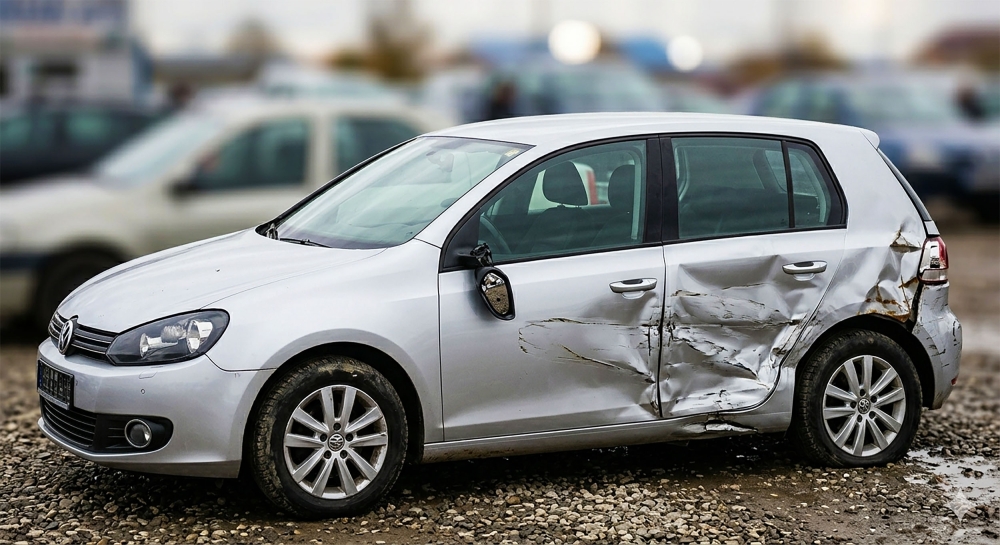
A recent study by the carVertical platform reveals figures that should make any potential buyer think: 58.2% of cars inspected in Romania have had damage in the past. In other words, more than one in two cars put up for sale has been to a body shop at least once.
Between "parking lot" scratches and total refurbished damage
While most reported incidents are minor, the major problem lies in the transparency — or lack thereof — when it comes to serious damage. The damage distribution shows a huge discrepancy between what we see in the ad and what we find under the hood:
| Damage Type | Percentage of Damaged Cars | Impact on the Vehicle |
| Minor (<20% of value) | 91.7% | Scratches, bumped bumpers, cosmetic repairs. |
| Major (>50% of value) | 1.3% | Almost destroyed vehicles that should have been scrapped. |
Although 1.3% seems like a small percentage, given the volume of hundreds of thousands of cars traded annually, we are talking about thousands of "zombies on wheels" circulating on public roads, endangering traffic safety. These vehicles are usually bought at scrap metal prices and restored to impeccable aesthetic condition in unauthorized workshops.
The myth of the "German machine" and the export of risk
There is a deep-rooted perception among Romanians that vehicles from Western Europe are much better maintained. While partly true from an infrastructure perspective, data shows that these countries are precisely the major sources of seriously damaged vehicles.
Countries such as Italy (7.8%), Germany (7.7%) and Sweden (5.8%) report the highest percentages of vehicles with major damage in total inspections. Being large exporters, these risks are simply “transferred” to Eastern markets.
The experts' verdict: "The flow of cars is moving from West to East, where labor costs are low, allowing huge profits from the resale of cars that, in their country of origin, would have been considered total damage."
American Invasion: Floods and Fires "Fixed"
An alarming phenomenon is the increase in imports from the United States. Luxury cars or sports models are suddenly becoming affordable, but the low price often hides a nightmare history. Many of these vehicles have "Salvage" or "Junk" title in the US, being affected by:
- Major floods (which destroy electrical systems in the long term);
- Fires;
- Accidents that affected the chassis's strength structure.
Once in Europe, they enter a legislative “gray zone.” The lack of a unified European monitoring system causes approximately 3.5 million vehicles to “disappear” from official EU records annually, later reappearing with a “clean” history in countries like Romania or Bulgaria.
How do you protect yourself from a toxic investment?
Faced with a legislative system that still does not drastically punish the manipulation of car history, the responsibility falls exclusively on the shoulders of the buyer.
Mandatory steps before signing the contract:
- Digital history check: Consulting a report based on the chassis series (VIN) is the first filter that can eliminate cars with major damage or mileage.
- Inspection at an authorized service center: Don't rely on the seller's "trusted mechanic." Check the paint thickness and wheel alignment at an independent center.
- Extended test drive: Pay attention to suspicious noises, steering, or dashboard lights that come on and go off suspiciously.
The conclusion is simple.
In a market where more than half of the goods are "touched", skepticism is not a sign of distrust, but a basic measure of financial and physical survival. If an offer seems too good to be true, it probably is.